
Cooking in the Field: A Note from the Embers
Cooking in the Field
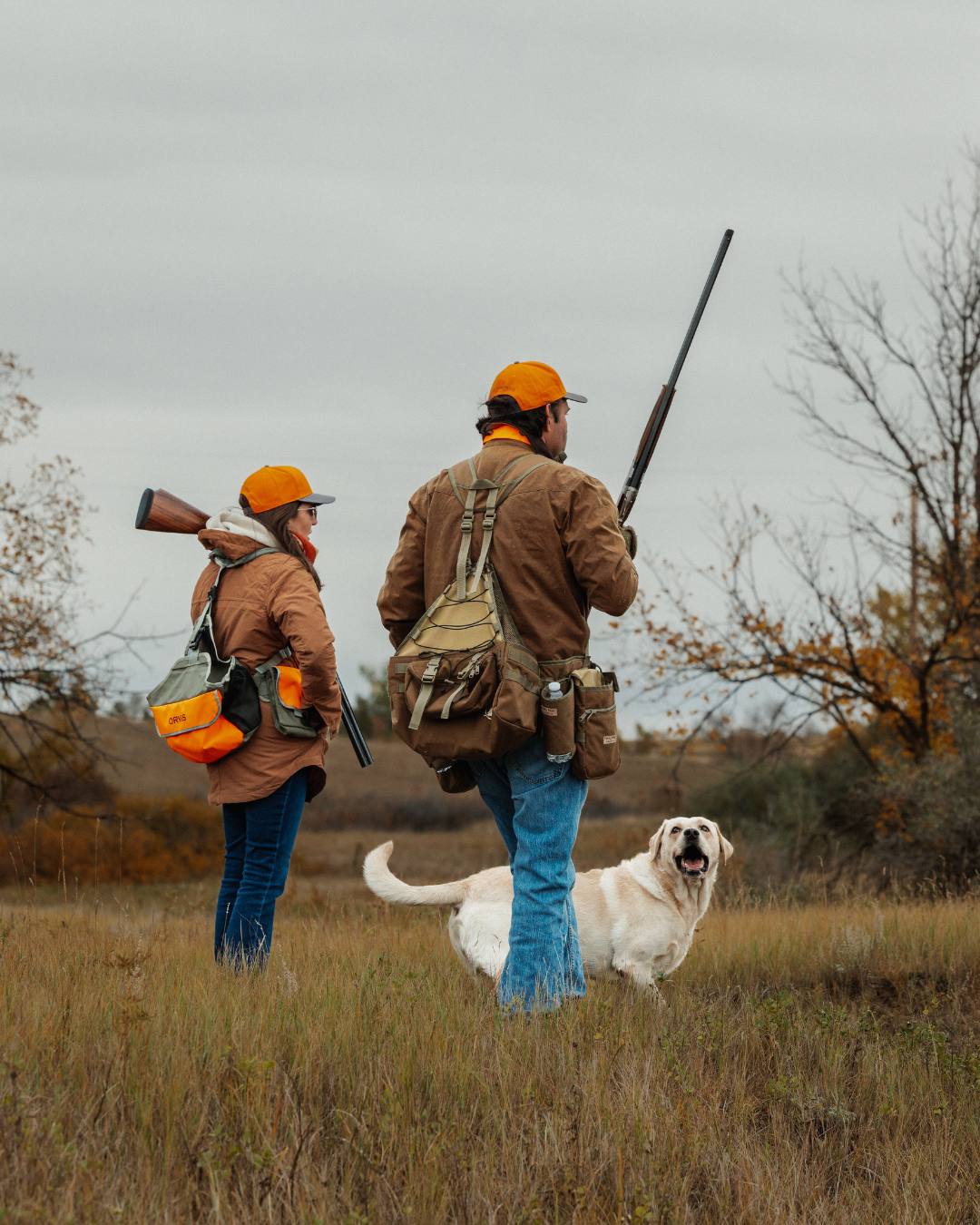
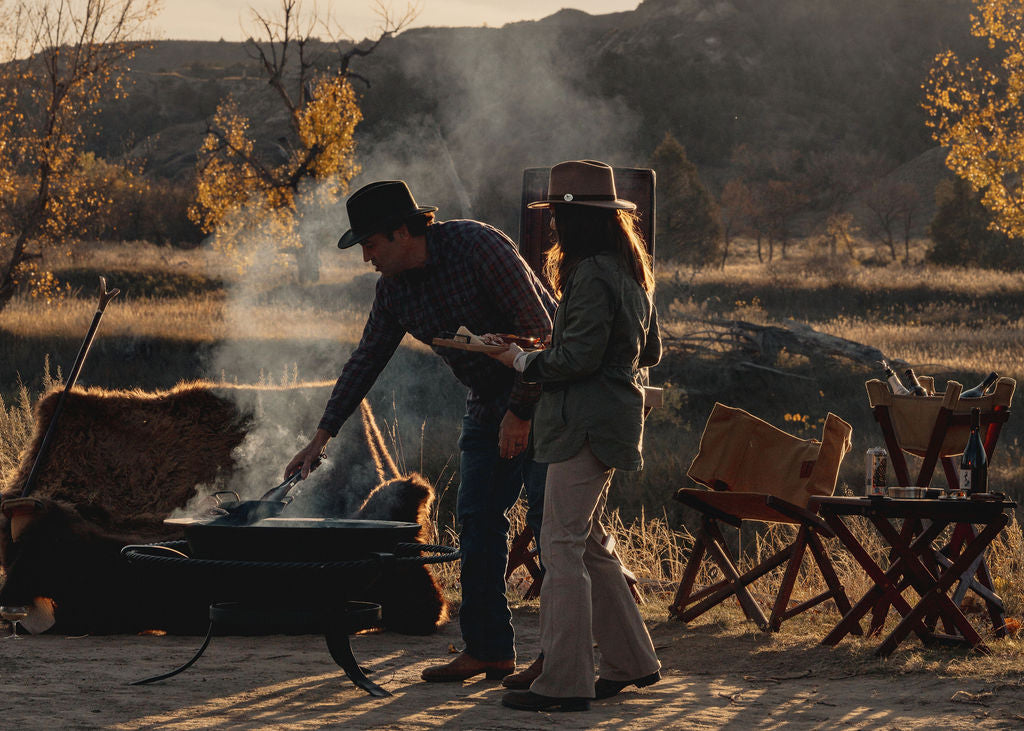
There is no shortcut for the day the bird was earned. The afternoon is over by the time the embers are right. The fire has been burning for two hours by then, and you have already eaten an apple and a piece of cheese while waiting. The bird is in the pan, oiled and salted, sitting next to the heat the way it sat all morning in the field, patient. This is the part of the day that closes the loop. The hunt brought it to the table. The cooking brings the table to the hunt.
The case for cooking what you have hunted, in the place you have hunted it
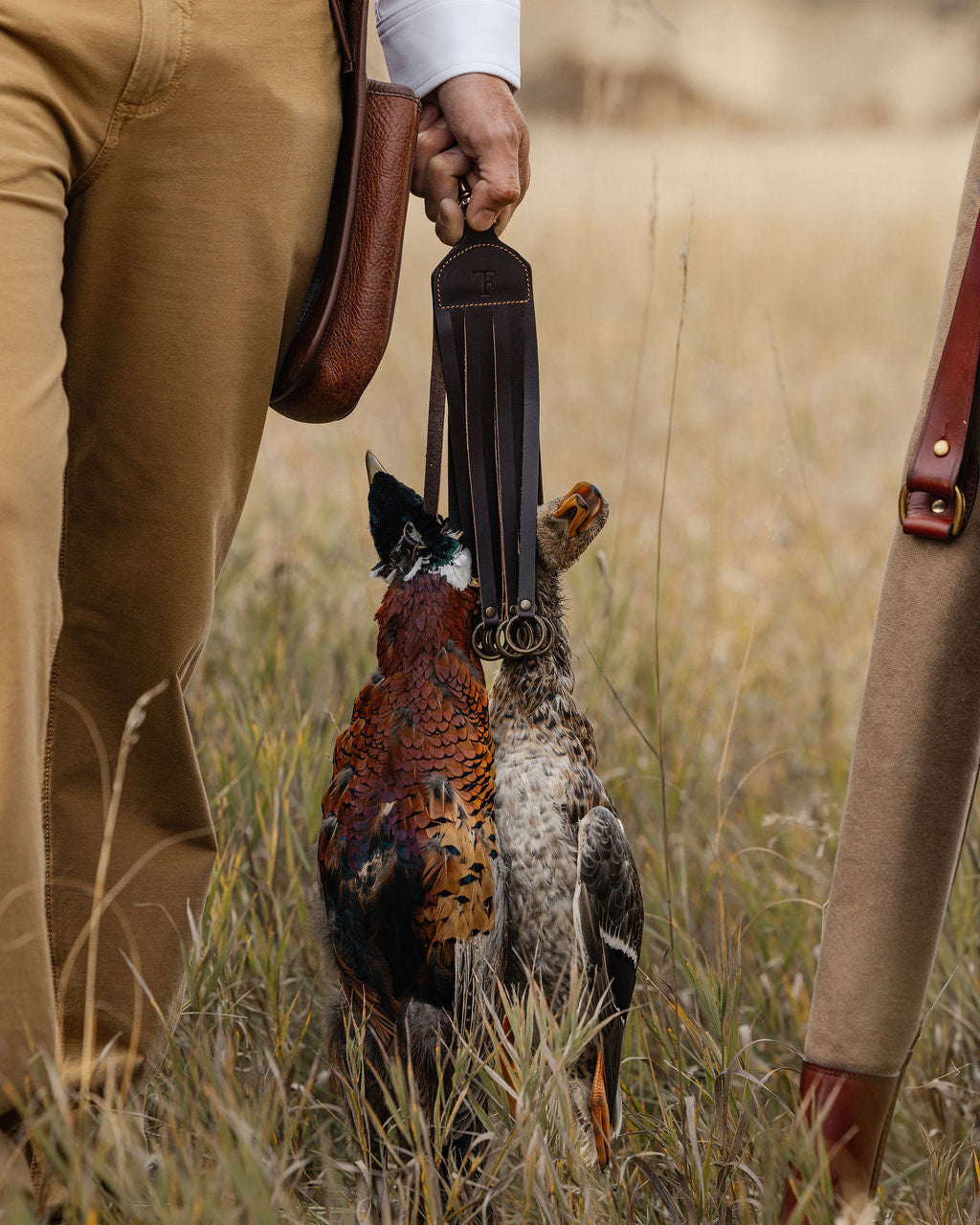
Field-to-Fork is not a marketing phrase. It is the original American sporting tradition, the one that predates restaurants and the one that has survived every food trend that has come along since. To hunt a bird and to cook it in the same afternoon, in the place where the morning was earned, is to bring the day into a single arc. The dressed bird never sees the inside of a cooler. The salt goes on within an hour. The fire is built from the wood that was within walking distance of where the bird fell. There is no transport step. No reheating. No restaurant intermediary. The flavor of game cooked this way is the flavor the field intended, and there is no kitchen on earth that can reproduce it. The Field Traditions After the Hunt collection stocks every piece of kit that arc requires. But the heart of it is the technique of the fire, the patience of the embers, and the bird.
The fire, getting it right
Everything else in field cooking is dependent on the fire. Three decisions matter.
Wood selection
The first decision every fire-cook makes is the wood. Hardwoods only. Oak, hickory, apple, cherry, pecan, mesquite. Each one gives a slightly different finish to the meat. Oak is the neutral baseline. Hickory adds a deep smoke note that suits red game and waterfowl. Apple and cherry add a brightness that suits upland birds. Mesquite is for the long, slow whole-carcass cook. Never use resinous softwoods. Pine, fir, cedar, and spruce all burn fast, throw resin into the air, leave a turpentine residue on the meat, and produce smoke that is bitter rather than aromatic. If you do not know what wood you have, ask the supplier and refuse anything that smells like pine sap. The wood is the spine of the meal. Get it right or the salt, the butter, and the bird cannot save the rest.
The ember bed, not the flame
There is a stretch of confusion in field cooking that catches people new to fire-cooking. The flame is not what cooks the meat. The flame is what makes the embers. The embers cook the meat. A good ember bed is reached two to three hours after the fire is lit, depending on the wood and the volume. The flames will have died back, the wood will have broken down into glowing chunks, and the surface will have settled into a steady orange and gray. That is the moment to put the pan on. A fire that is still showing flames will scorch the outside of a bird before the inside is anywhere near done. Patience here is the difference between a meal that lands and a meal that goes back in for another forty minutes.
Timing the fire to the meal
The fire needs to be timed backwards from the meal. If supper is at eight, the fire is lit at five. If supper is at six, the fire is lit at three. The cast iron pan goes on the embers ten minutes before the bird, to come up to heat. The bird goes in for whatever the cut and the size dictate. A pheasant breast wants four minutes a side. A quail wants three. A duck breast wants six on the fat side and two on the flesh side. The fire is then allowed to die back naturally, which is the part that matters. The embers carry over for an hour after the cooking is done, and that is the hour the conversation happens around. A well-timed fire does the cooking, the warming, and the closing of the day in sequence.
The tools that work in the field
Field cooking equipment is a smaller kit than restaurant cooking, but every piece has to do real work.
Cast iron, the only honest field-cooking surface
 There is one cooking surface for the field, and it is cast iron. Carbon steel will do in a pinch. Stainless steel and aluminum will not. Cast iron holds heat the way the field bar holds the day, which is to say it sustains a working temperature without spikes or losses. A 12-inch skillet costs under fifty dollars and lasts a hundred years if you season it right. The seasoning, the black patina that builds up over years of cooking with fat and heat, is what makes cast iron non-stick. New cast iron needs three or four cooks in butter or rendered fat to start the patina. Old cast iron needs nothing other than a wipe-down with a dry cloth after each meal. The cast iron pan is the piece of kit you inherit from a father and pass to a son.
The Opinel No 8, the classic field knife
 The knife matters. Field cooking is dressing and trimming work, not Michelin-grade knife work, but the wrong knife in the field is the difference between a clean job and a mess. The Opinel No 8 Animalia Knife is the classic French field knife and the right one to carry. Carbon steel blade, beechwood handle, a Virobloc locking ring that secures the blade open or closed. The carbon steel holds an edge longer than stainless, sharpens easily on a small whetstone, and takes the patina that every field knife earns over a season. The Animalia series carries a small motif engraving (elk, fish, wild boar, others) that names the knife for the kit it lives in. One in the pocket, one in the cleaning roll, one in the kitchen drawer for when the bird gets home. The Naturally Shed Stag Horn Carving Set is a different tool entirely, the table piece that comes out for the supper, not the field. Use the Opinel for the morning work.
The Pheasant Field Bird Enamelware
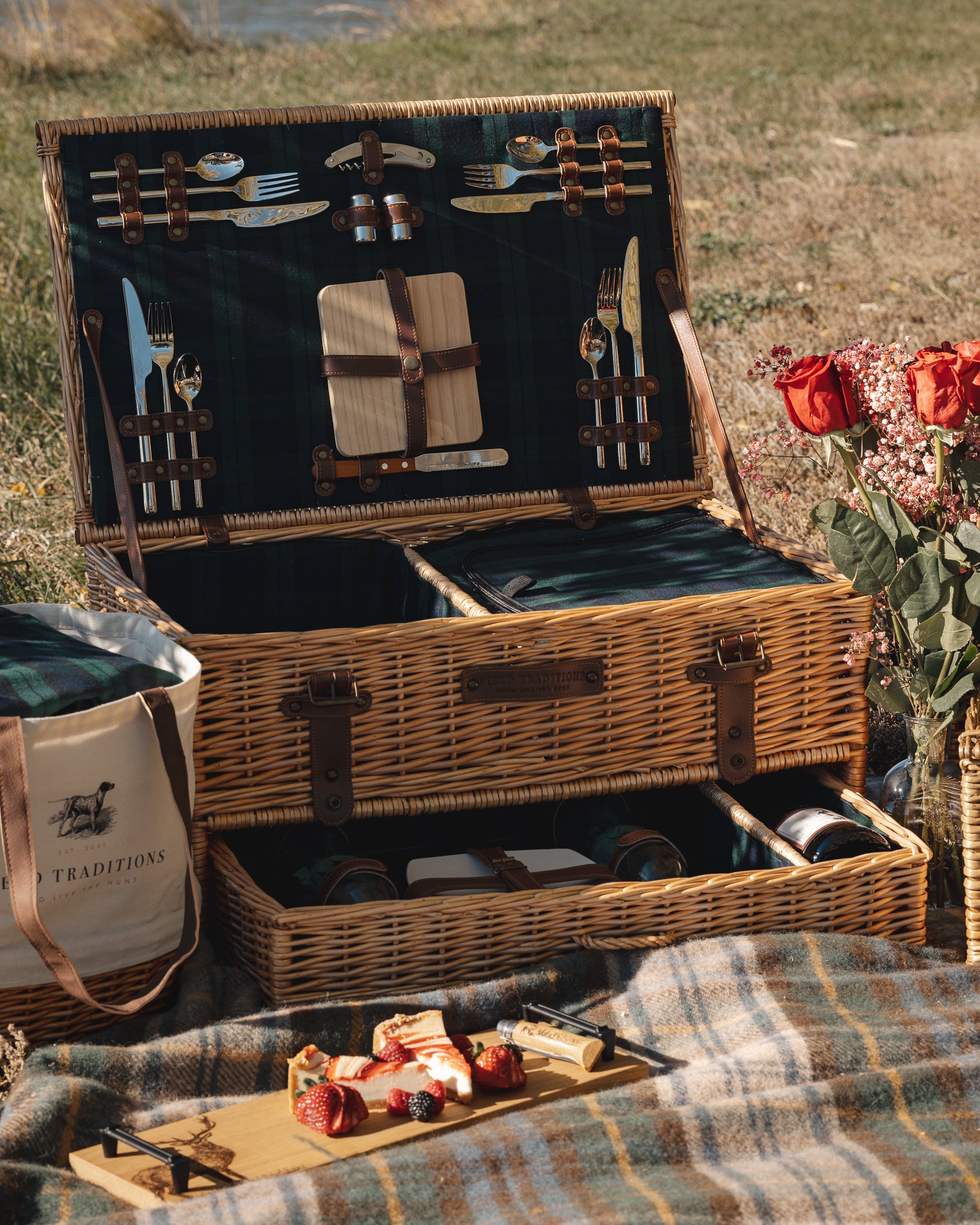
 Game served on the right plate eats different. The Field Traditions Pheasant Field Bird Enamelware is the plate the field has been wanting for a long time. Enamel over steel, designed to take the weight of a serving plate full of bird and root vegetables, dishwasher-safe and chip-resistant. The set runs to a plate, a cup, and a bowl. Each is illustrated with the field bird the line is named for, painted in the FT palette of oiled green, parchment, and oxblood. The set travels in the picnic basket. The set sits on the field bar. The set lasts twenty years.
The Brockenhurst Cleaning Roll Kit, for the night before

The cooking starts the night before, which is when the bird is dressed and the gun is cleaned. The Field Traditions Brockenhurst Leather Shotgun Cleaning Roll Kit is the case that sits open on the table the evening before a cook. Full-grain leather, nine pieces, brass rod, oil and solvent bottles, all rolled into a single case that ties with a leather cord. The kit lives in the gun room between hunts and travels to the cabin in the truck. Cleaning the gun is the ritual that sets up the morning. The morning sets up the bird. The bird sets up the meal. The Brockenhurst is the case that holds that whole sequence together.

Sea Island Forge
The other piece of field-cooking kit Field Traditions stocks is the Sea Island Forge range. Sea Island Forge is the American maker, based in the Georgia low country, of open-fire cooking stations that have quietly raised the floor of American field cooking for the last decade. The line on Field Traditions runs from the Traditional Wood Burning Fire Pit and Cooking Kettle at the entry point through the smokeLESS Gathering Experience and the smokeLESS Ultimate Experience for the long-term outdoor kitchen build. The accessories that pair with them, the Classic Grill, the Griddle, the Roasting Forks and Quiver, are the kit that turns a fire pit into a true field kitchen. The Limited Edition "North Fork" Oyster Handle Fire Poker is the heritage piece in the 2026 line.
A short open-fire game recipe
You can write a thousand words on game cookery technique and still not put dinner on the plate. For further reading on the deeper philosophy of wild game cookery, Hank Shaw at Hunter Angler Gardener Cook has been writing the standard book on the American practice for the last fifteen years. For another field-to-fork recipe ready to make this week, Michael's Quail Egg Tapa with Prosciutto on the Field Notes journal pairs upland game with the Quail Forever Fiano from Passalacqua Winery, a conservation-led wine partnership where a portion of every bottle supports upland habitat. The shortest open-fire recipe here goes like this.
A pheasant, a quail, or a small duck. Dressed the evening before with the Brockenhurst Cleaning Roll Kit close to hand for the gun cleaning that goes alongside.
Salt the bird two hours before the fire is ready. Coarse sea salt, generously. Black pepper if you want. Nothing else.
Build a hardwood fire two hours before you intend to eat. Oak, hickory, or apple. Let it burn down to a deep bed of orange embers.
Place a cast iron pan directly on the embers ten minutes before the bird goes in. The pan needs to be hot enough to hiss.
Two pats of cold unsalted butter in the pan with a sprig of rosemary or thyme.
Lay the bird in skin-side down. Do not move it for four minutes.
Turn once. Baste with the butter and the rendered fat for two minutes more.
Lift. Rest on a warmed Pheasant Field Bird Enamelware Plate.
Pour. Toast. Eat. Long Live The Hunt.
The pour at the end
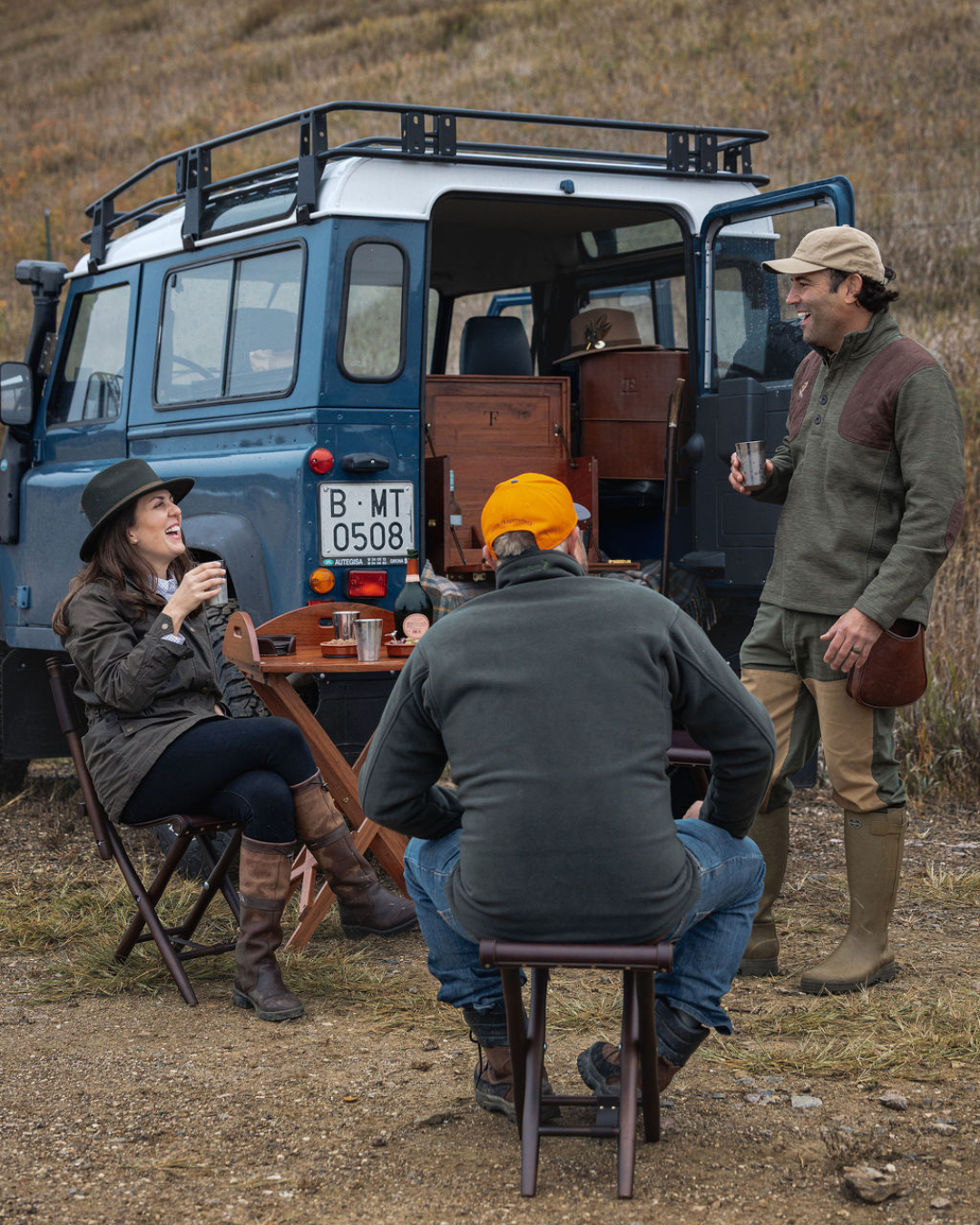
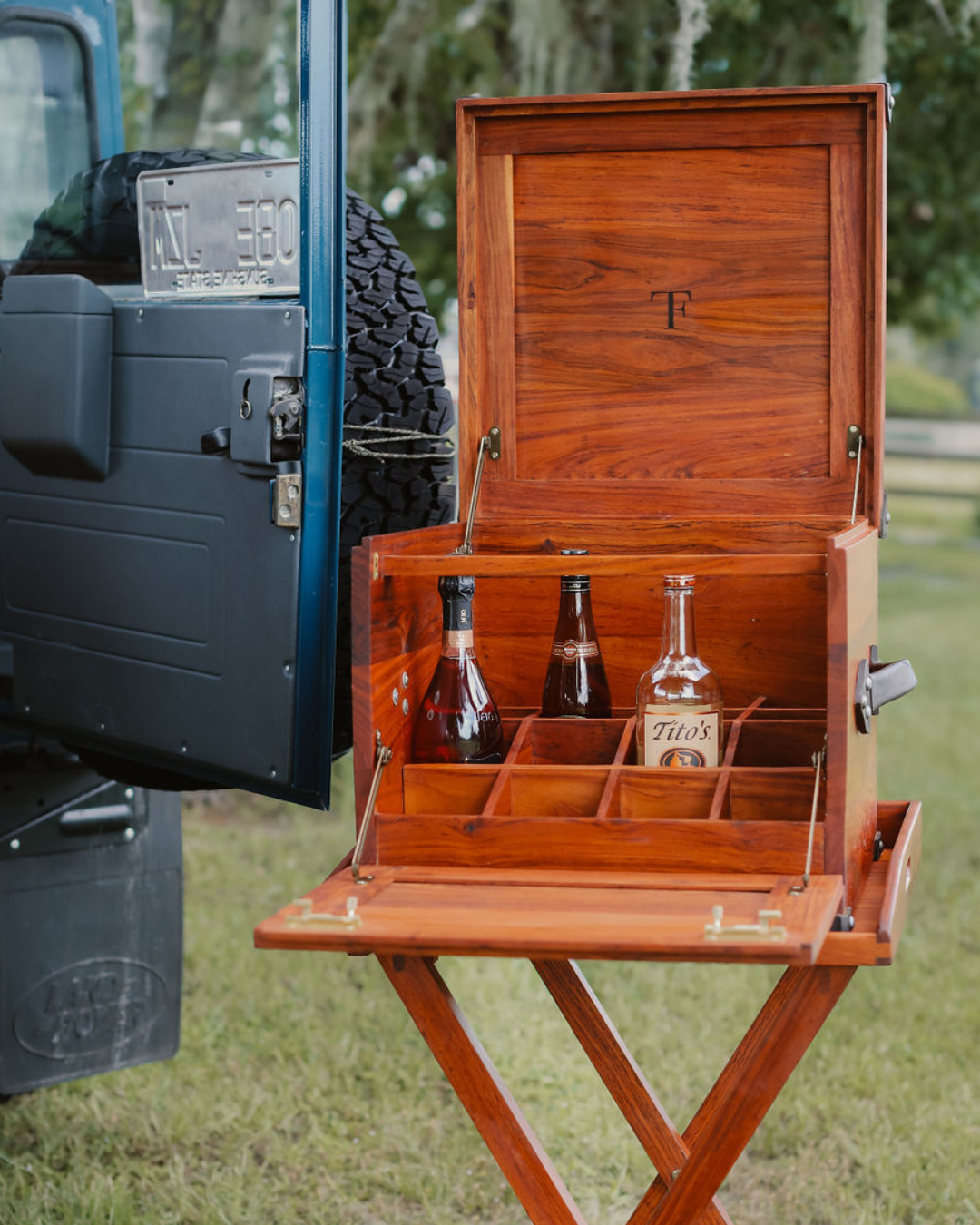
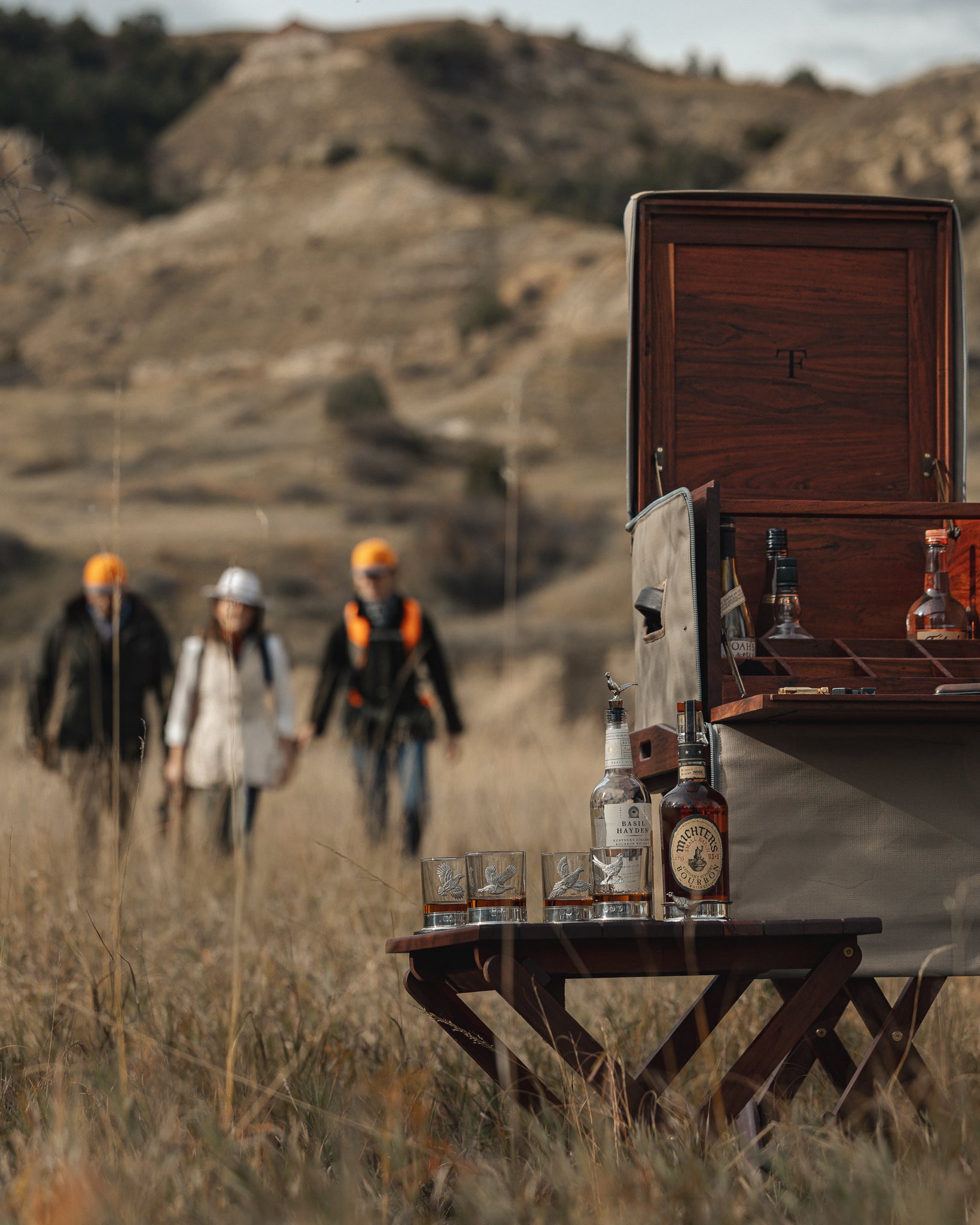
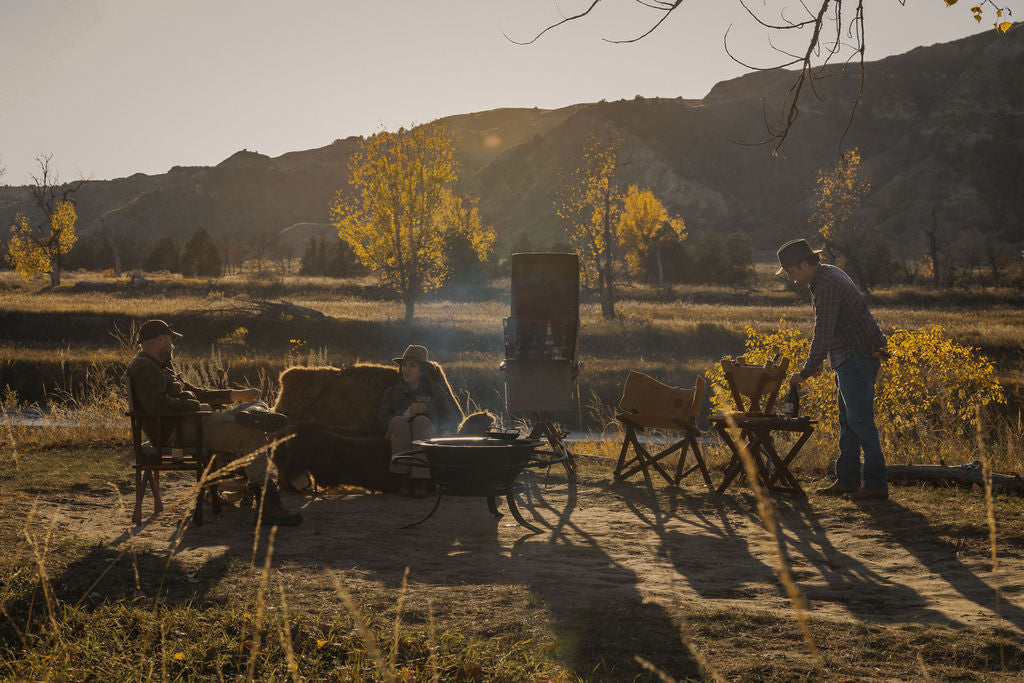
 A meal cooked over fire ends with a pour. The Long Live The Hunt Whiskey Glass is the glass that does the closing work. Heavy in the hand, the bird-and-shotgun motif etched into the glass, the right weight for a slow toast at the end of a long day. The Pheasant Whiskey Stones cool the pour without diluting the bourbon. The cast iron pan goes to the side of the embers to keep warm for the second helping that everyone will deny but accept. The conversation that follows the meal is the part of the day that was the whole point.
The kitchen is where the field finishes
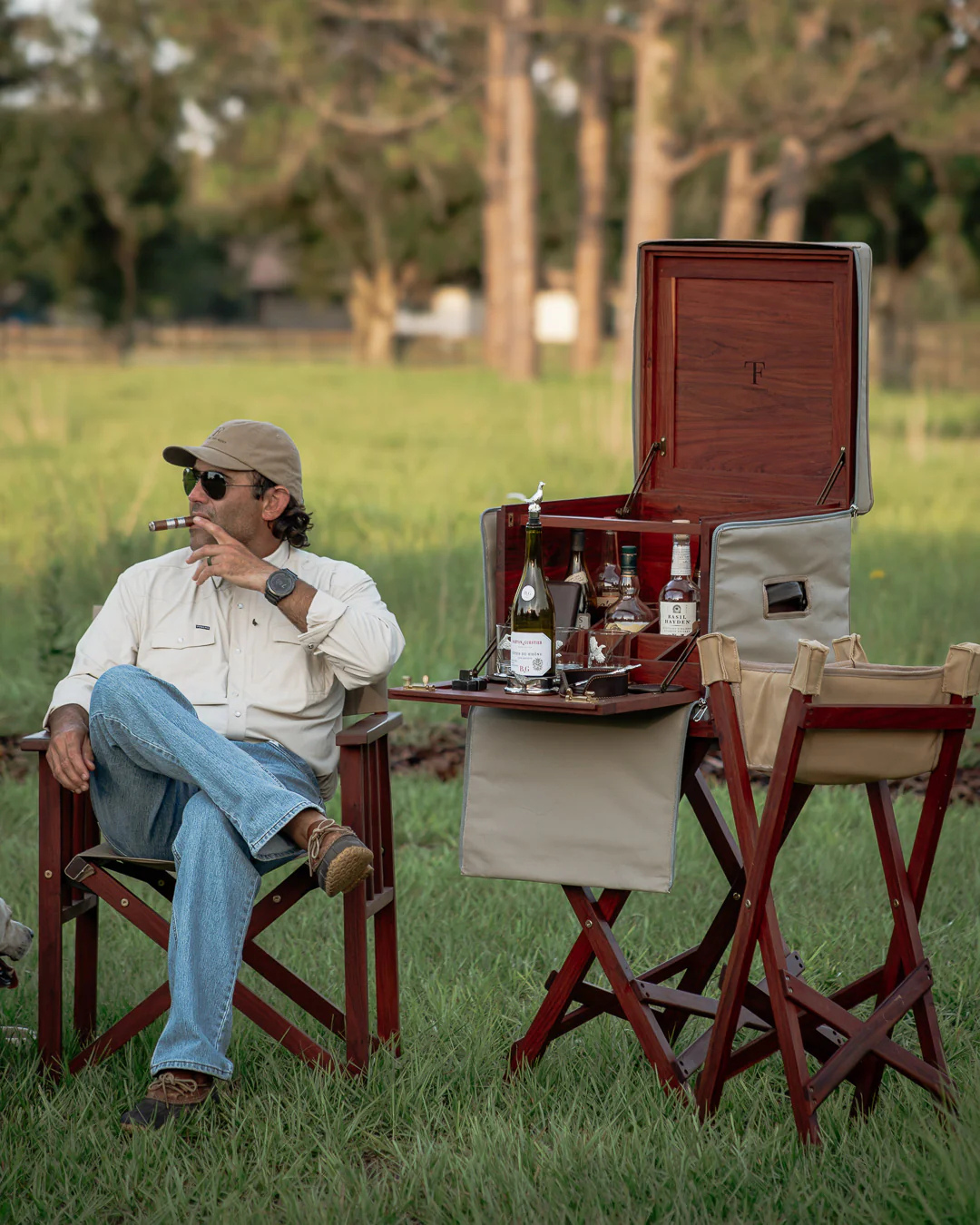
 The kitchen is where the field finishes, and the field bar is where the kitchen finishes. The bird is eaten, the plate is wiped, the conversation has moved from how the morning went to how the season will go. The Long Live The Hunt Whiskey Glass is on the bar. The Pheasant Whiskey Stones are cooling the pour. The day has done its work.
Long Live The Hunt.


Leave a comment
This site is protected by hCaptcha and the hCaptcha Privacy Policy and Terms of Service apply.