


What Is a Safari Field Bar? A Complete Buying Guide
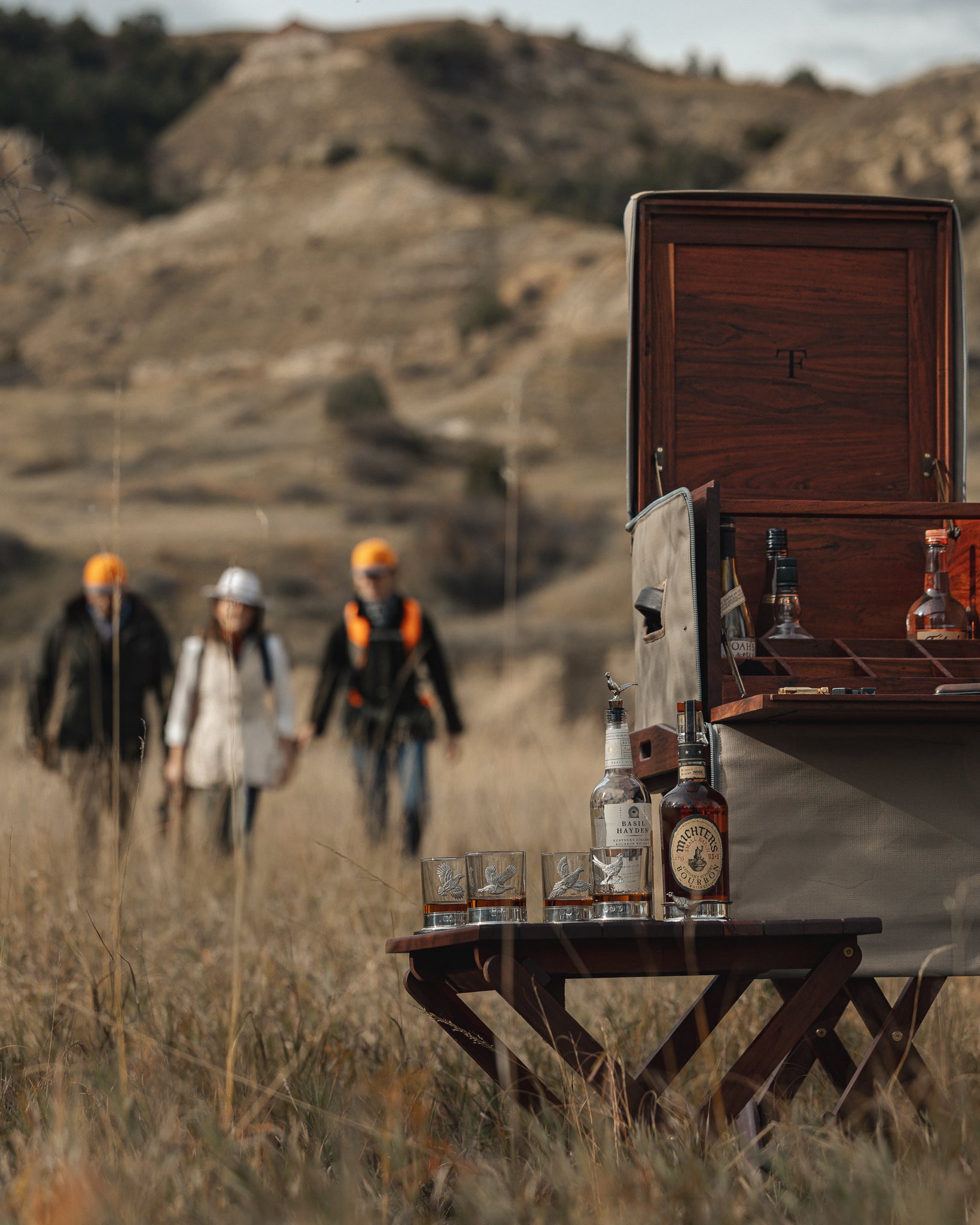
If you've ever seen a beautifully crafted teak cabinet fold open at the edge of a shooting field to reveal a perfectly stocked bar, bottles lined up, glasses at the ready, brass fittings catching the afternoon light, you've seen a safari field bar in action. It's one of those objects that's difficult to explain until you encounter one, and impossible to forget once you do.
This guide covers everything you need to know: what a safari field bar is, where the idea comes from, what separates a good one from a great one, and which model is right for you.
What Is a Safari Field Bar?
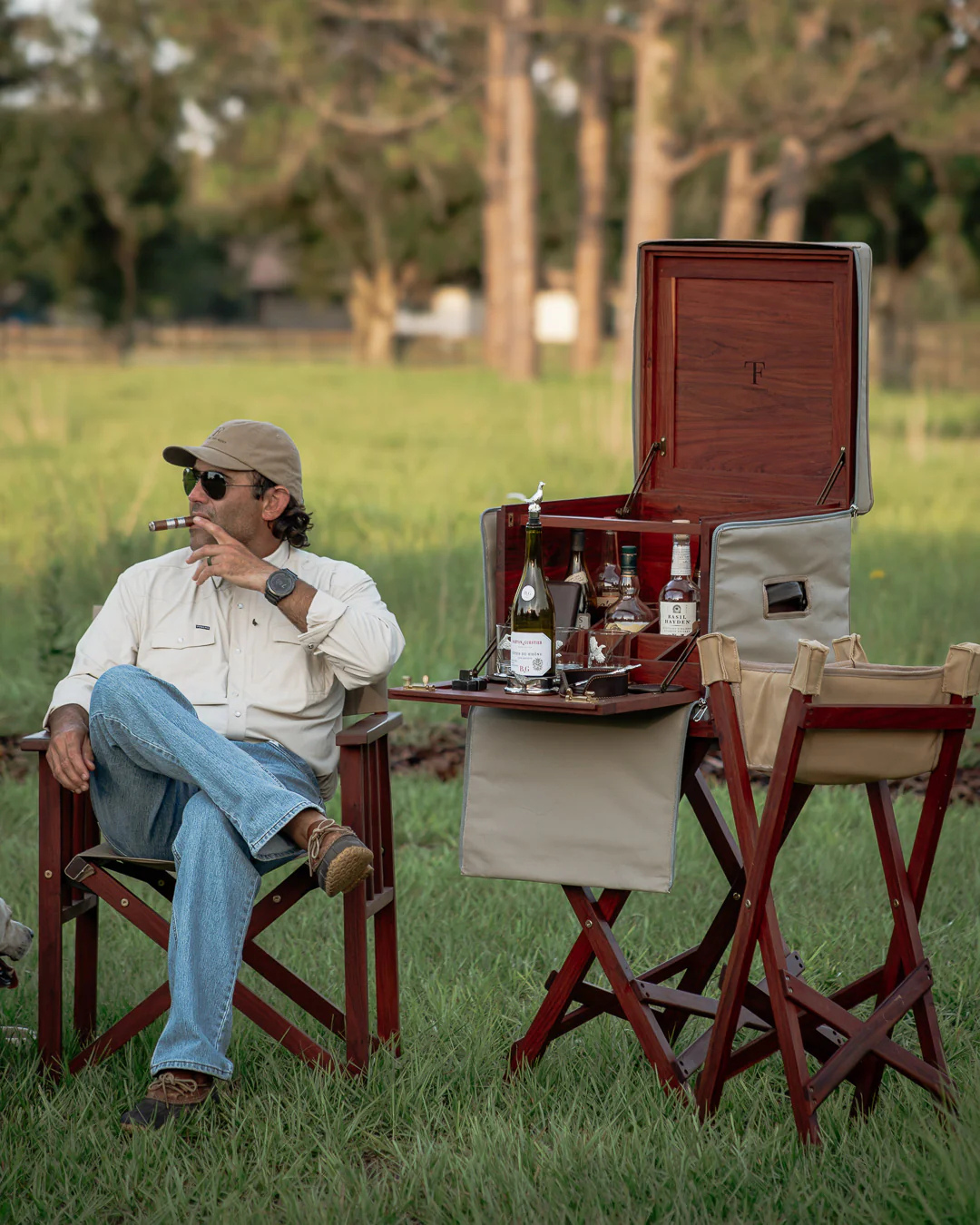
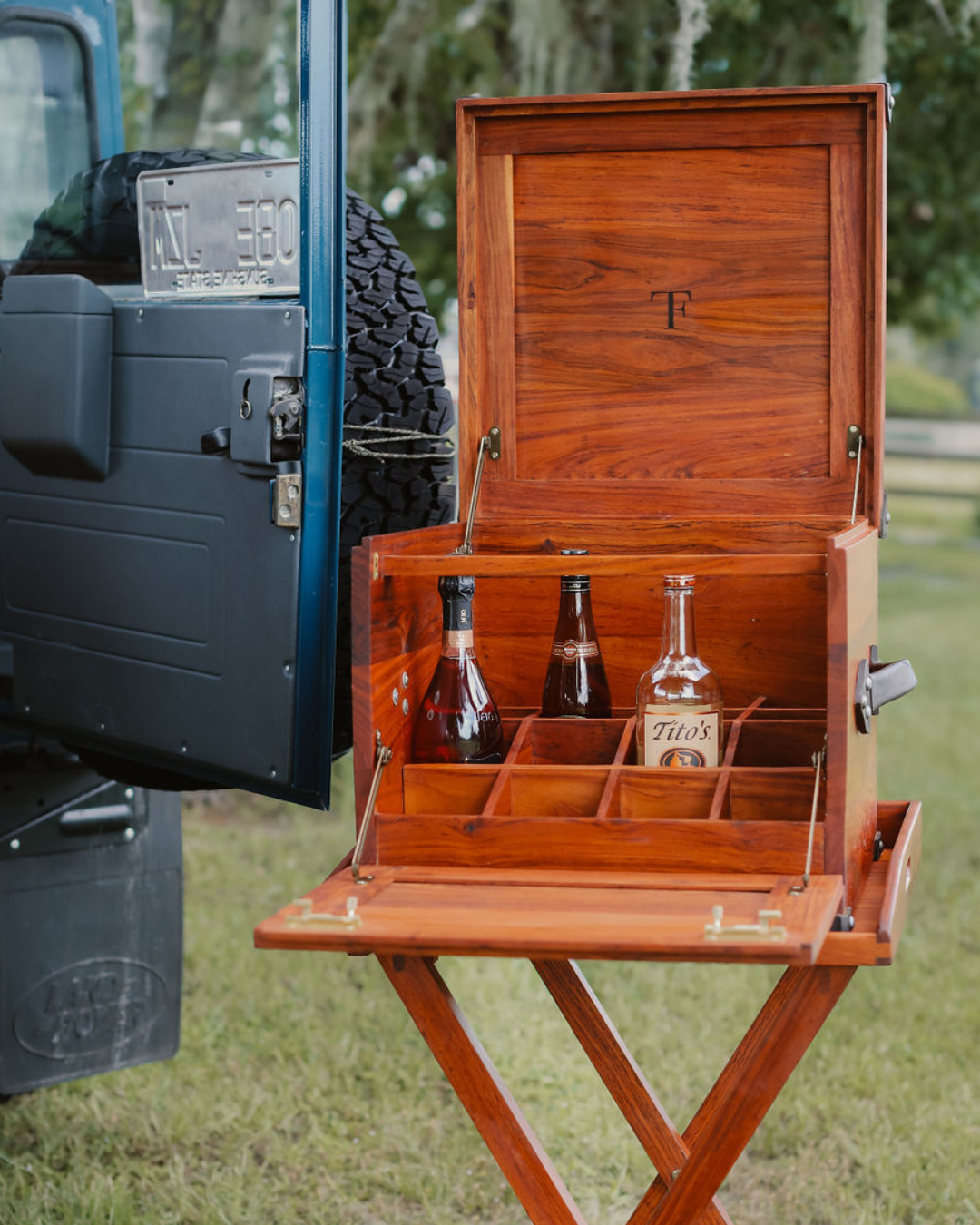
A safari field bar is a portable, fold-out bar cabinet designed for outdoor entertaining. At its most basic, it's a hardwood box that opens to reveal a fitted interior, shelves, bottle holders, a work surface, and closes flat for transport. At its best, it's a statement piece that turns any outdoor space into a proper occasion.
The term 'safari' reflects the style's origins in the outdoor living culture of East Africa, where camp furniture was built to be both functional and beautiful. A well-made safari field bar carries that same spirit: it goes where you go, it holds up to the elements, and it makes things feel a little more civilised wherever it lands.
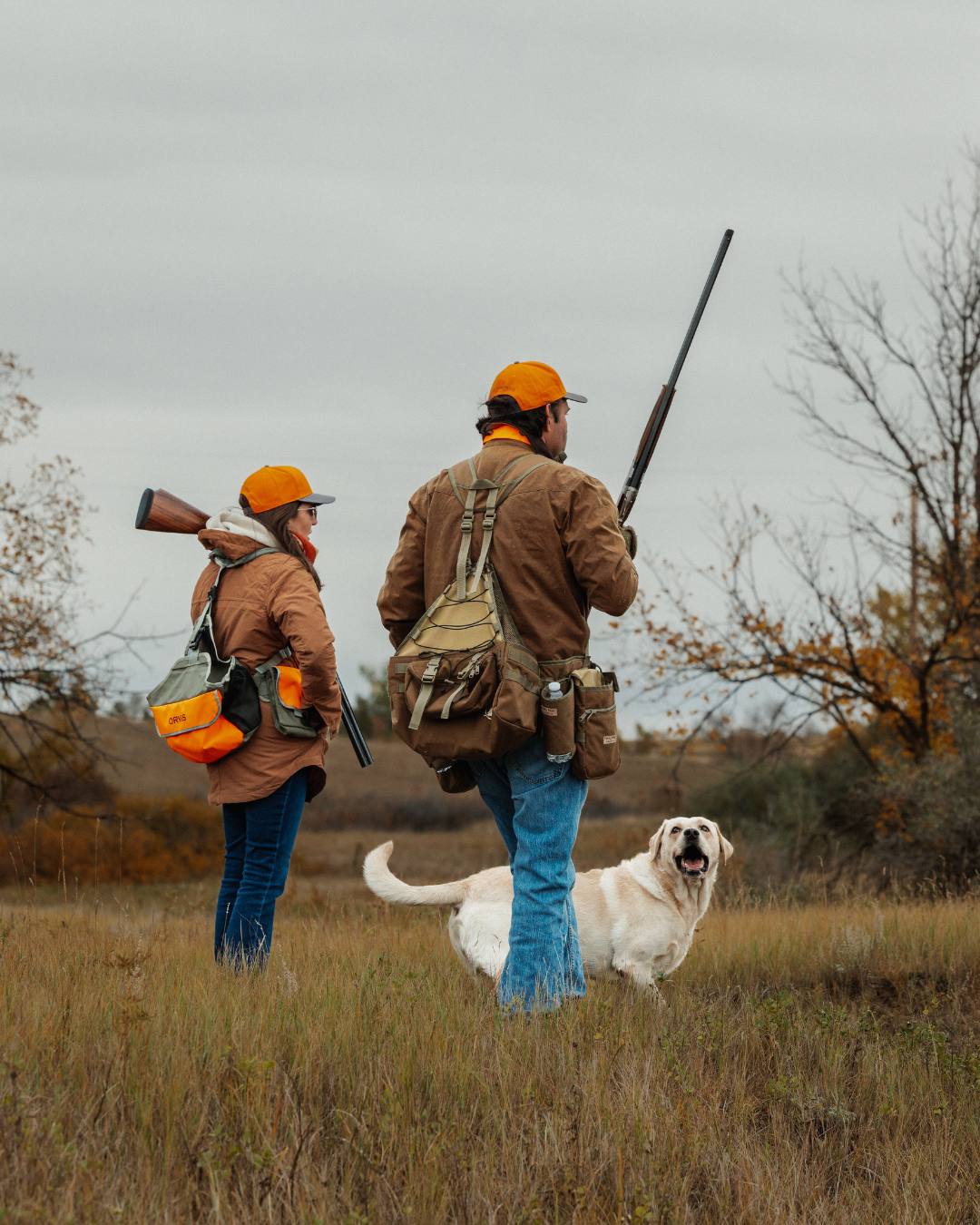
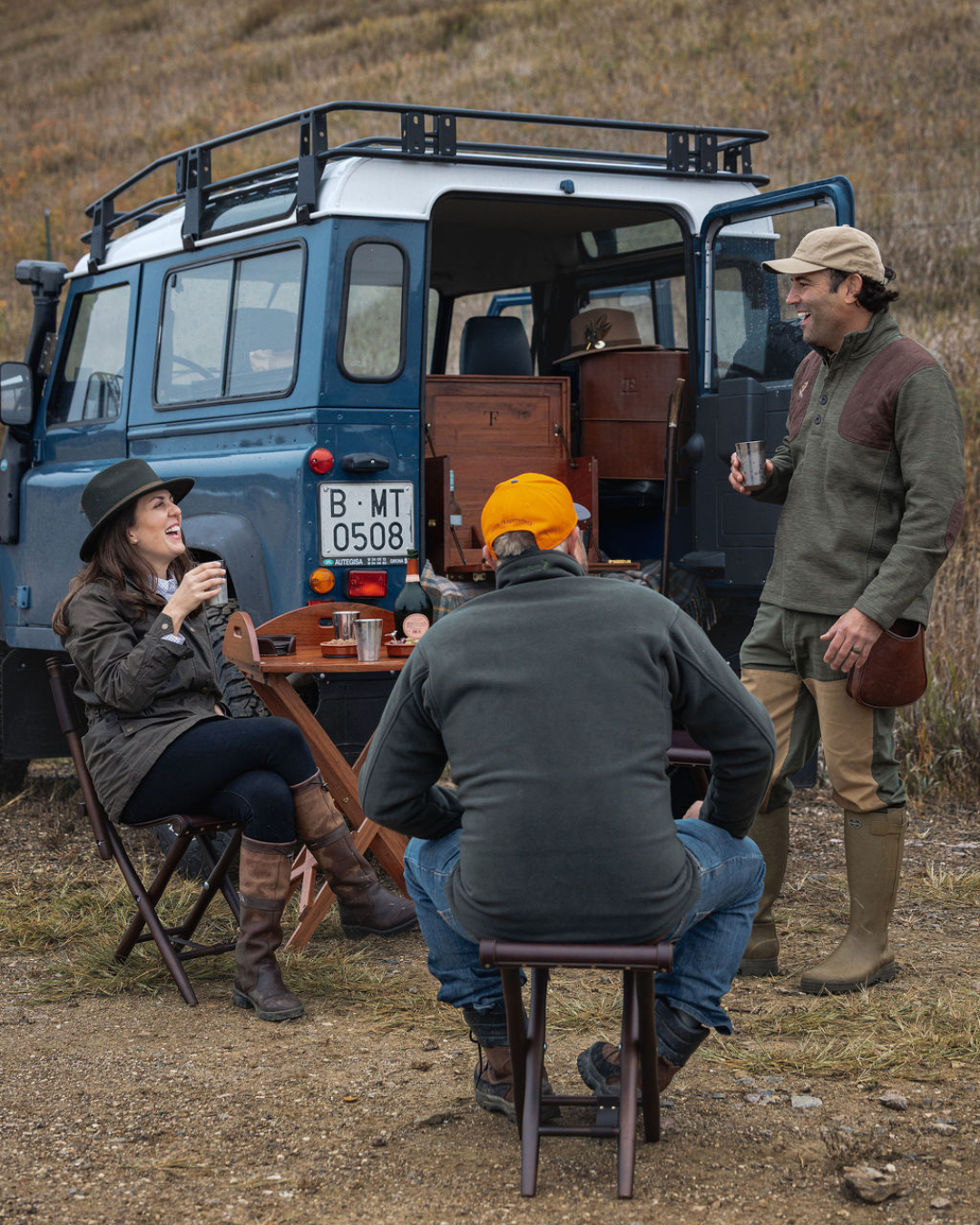
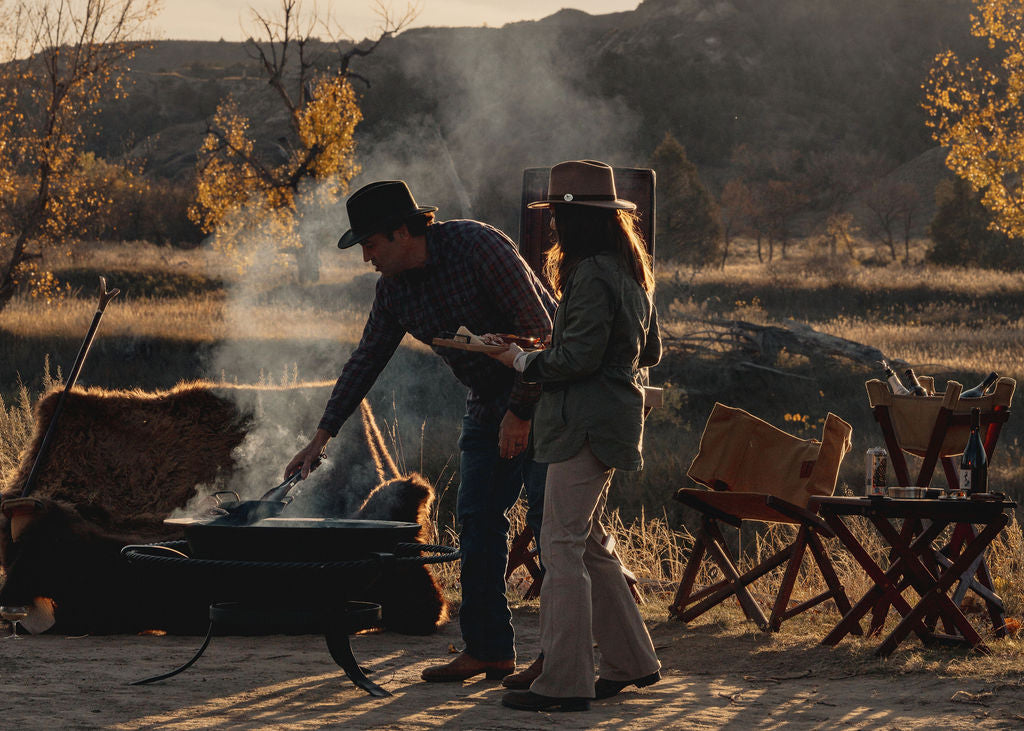
Today they're used at shooting pegs between drives, on lodge terraces, at country house garden parties, beside hunting camps and increasingly, as a centrepiece of garden entertaining that has nothing to do with the field at all. Once you have one, you find reasons to use it everywhere.
A Brief History: Where the Design Comes From
The safari field bar has its roots in two traditions: campaign furniture and the safari camp aesthetic. Campaign furniture, the portable, fold-flat furniture used by military officers in the field from the 18th century onwards, established the design principles: hardwood frames, brass fittings, leather handles, and a construction that could be dismantled, transported and reassembled without tools.
The safari camp tradition, developed across East and Southern Africa in the early 20th century, added the idea of bringing civilised comforts into the wild without sacrificing either function or beauty. The fold-out bar cabinet was a natural product of both influences, practical enough to travel, beautiful enough to deserve a prominent place wherever it arrived.
A well-made safari field bar goes where you go, holds up to the elements, and makes things feel a little more civilised wherever it lands.
What to Look For in a Safari Field Bar
Not all safari field bars are created equal. Here's what distinguishes a piece worth investing in from one that won't survive its first season.
1. Wood quality
Teak is the gold standard for outdoor hardwood furniture. It's naturally dense, resistant to moisture, insects and rot, and develops a beautiful silvery-grey patina over time if left untreated, or maintains a rich warm tone with periodic oiling. African hardwoods like iroko and sapele offer similar durability with slightly different character. Avoid softwoods, veneers and MDF in anything marketed for outdoor use.
2. Fittings and hardware
Solid brass fittings are what you want. Brass develops a warm patina, resists corrosion, and will outlast the wood if properly maintained. Avoid zinc alloy or chrome-plated fittings, they'll pit and corrode in damp outdoor conditions within a few seasons. The quality of the hinges, clasps and corner brackets is a reliable indicator of overall build quality.
3. Interior layout
Think about what you're actually going to put in it. The best interiors are thoughtfully fitted: dedicated slots for bottles at the right depth, a work surface at a usable height, space for glasses or a spirit measure, and perhaps a drawer for bar tools. Some bars also include a removable or integrated ice bucket, useful if you're working far from a kitchen.
4. Carrying handles and portability
Leather handles are both the most durable and the most handsome option. They should be stitched, not riveted, and attached at points where the load will be evenly distributed when the bar is carried at full weight. Consider how the bar will travel, most quality safari field bars fold completely flat and are compact enough to sit in the boot of a 4x4 or estate car.
5. Size
A two-door bar will give you a wider work surface and more storage capacity; a single-door model is more compact and easier to carry solo. Consider your typical use: if you're setting up for a group of eight or more, size up. If you're shooting walked-up with a small party, a compact model is more practical.
The Field Traditions Safari Field Bar Range
We make three handcrafted safari field bars, each built from solid teak or African hardwood with leather handles and solid brass fittings. All three fold flat for transport and are designed to improve with age.
The Teak Camp Field Bar (from $1,400): Our most accessible model, built from solid teak with a classic two-door layout and fitted interior. The natural entry point for anyone new to field entertaining.
The Teak Field Bar with Leather Handles (from $1,700): A step up in specification, with premium leather handle detailing and enhanced interior fittings. The most versatile of the three.
The Campaign Field Bar in African Hardwood (from $2,000): Our most complete model, built from African hardwood with the most generous interior specification. For those who entertain regularly and want a field bar that becomes a talking point.
All three bars are available individually or as part of our complete campaign field furniture bundles, which pair the bar with folding director's chairs and a tray table for a full field entertaining setup.
Where to Use a Safari Field Bar
At the shooting peg: Set up between drives for sloe gin, a nip of whisky and something to eat. A safari field bar turns the midday break into a proper occasion rather than a tailgate moment.
At the lodge: On the terrace or in the garden, a field bar works beautifully as a semi-permanent outdoor bar, particularly in the warmer months when entertaining moves outside.
At country events: Races, point-to-points, agricultural shows -- a safari field bar in the boot of the car is the difference between eating from a plastic bag and doing things properly.
In the garden: You don't need a reason related to field sports. A teak field bar on a summer evening, stocked with good gin and proper glasses, is its own reward.
Caring for Your Safari Field Bar
Teak and African hardwoods are naturally low-maintenance, but a little care goes a long way. Apply a quality teak oil or Danish oil two to three times per year to maintain the warm tone. Store under cover when not in use for extended periods, a breathable cover is ideal. Clean the brass fittings with a soft cloth; avoid abrasive cleaners that will damage the patina. Leather handles can be conditioned with a quality leather balm every six months.
With proper care, a well-made safari field bar is a lifetime purchase and one that appreciates in character with every season of use.
Frequently Asked Questions
Q: How heavy is a safari field bar?
Our safari field bars range from approximately 15kg to 22kg depending on the model. They're designed to be carried by two people comfortably with the leather handles, and one person over short distances.
Q: Can I customise what goes inside?
Yes -- contact us to discuss bespoke interior configurations. We can accommodate specific bottle sizes, add an ice bucket compartment, or adjust shelving for particular glassware.
Q: How long does delivery take?
Our safari field bars are handcrafted to order. Please allow 6-8 weeks from order to delivery. We will keep you informed throughout the process and can accommodate specific date requirements where possible.
Q: Do safari field bars come with a warranty?
Yes. All Field Traditions safari field bars carry a 2-year warranty against manufacturing defects. Given that these are lifetime pieces, we are always happy to discuss repairs and restoration for older models.

Leave a comment
This site is protected by hCaptcha and the hCaptcha Privacy Policy and Terms of Service apply.