

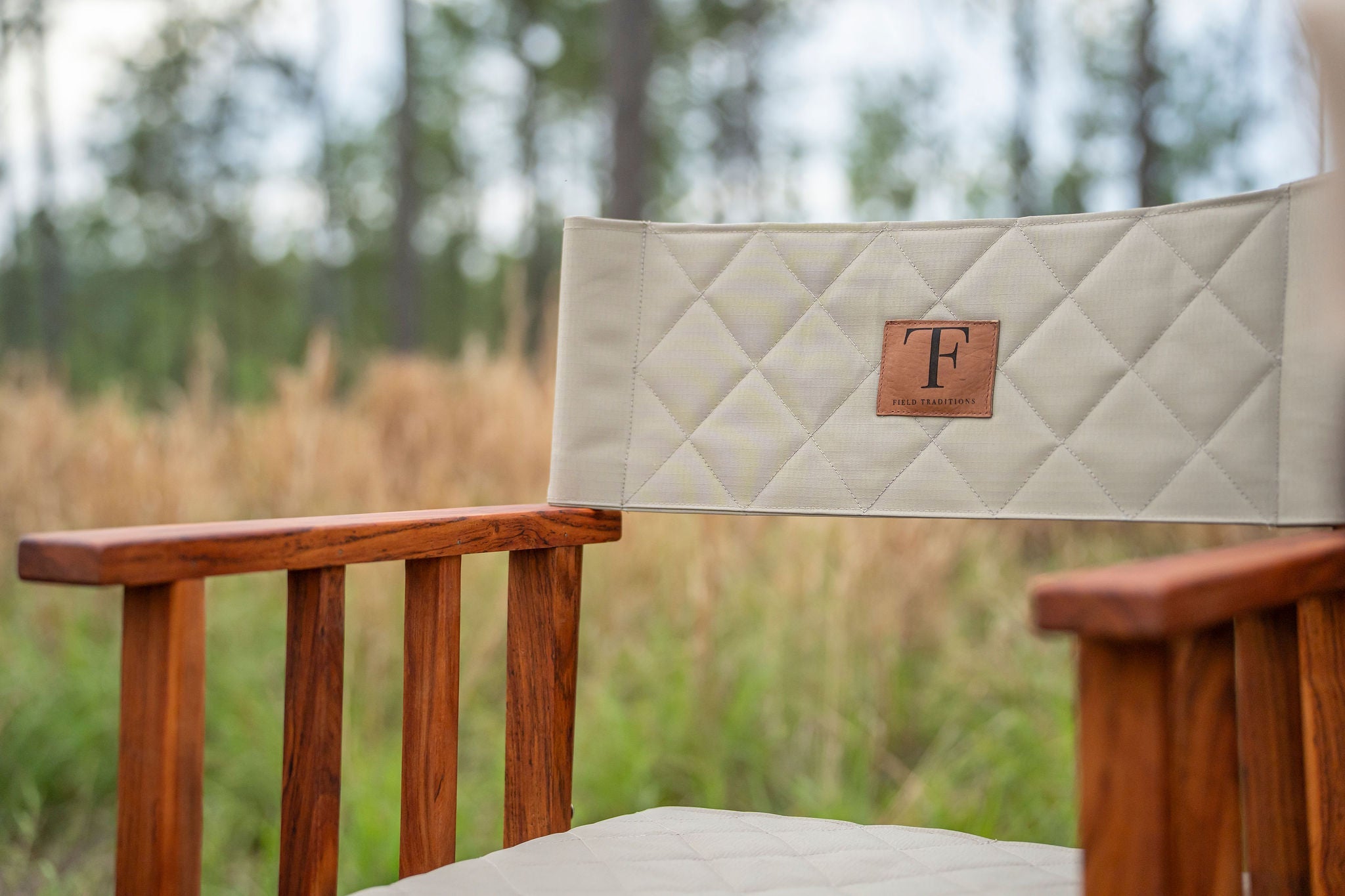
The Safari Chair Buying Guide
Why "safari chair" covers more ground than people expect
Search "safari chair" and you'll get everything from a canvas camp stool to a leather-strapped teak director's chair built to outlast the person who bought it. They are not the same purchase. A safari chair, in the traditional sense, is field furniture: something built to fold flat, travel in a truck bed, and hold up outdoors season after season, not a stackable patio piece that happens to look rugged.
This guide covers what actually separates a well-made safari chair from a disposable one, so you know what you're paying for before you buy.
What separates a safari chair from a folding camp chair
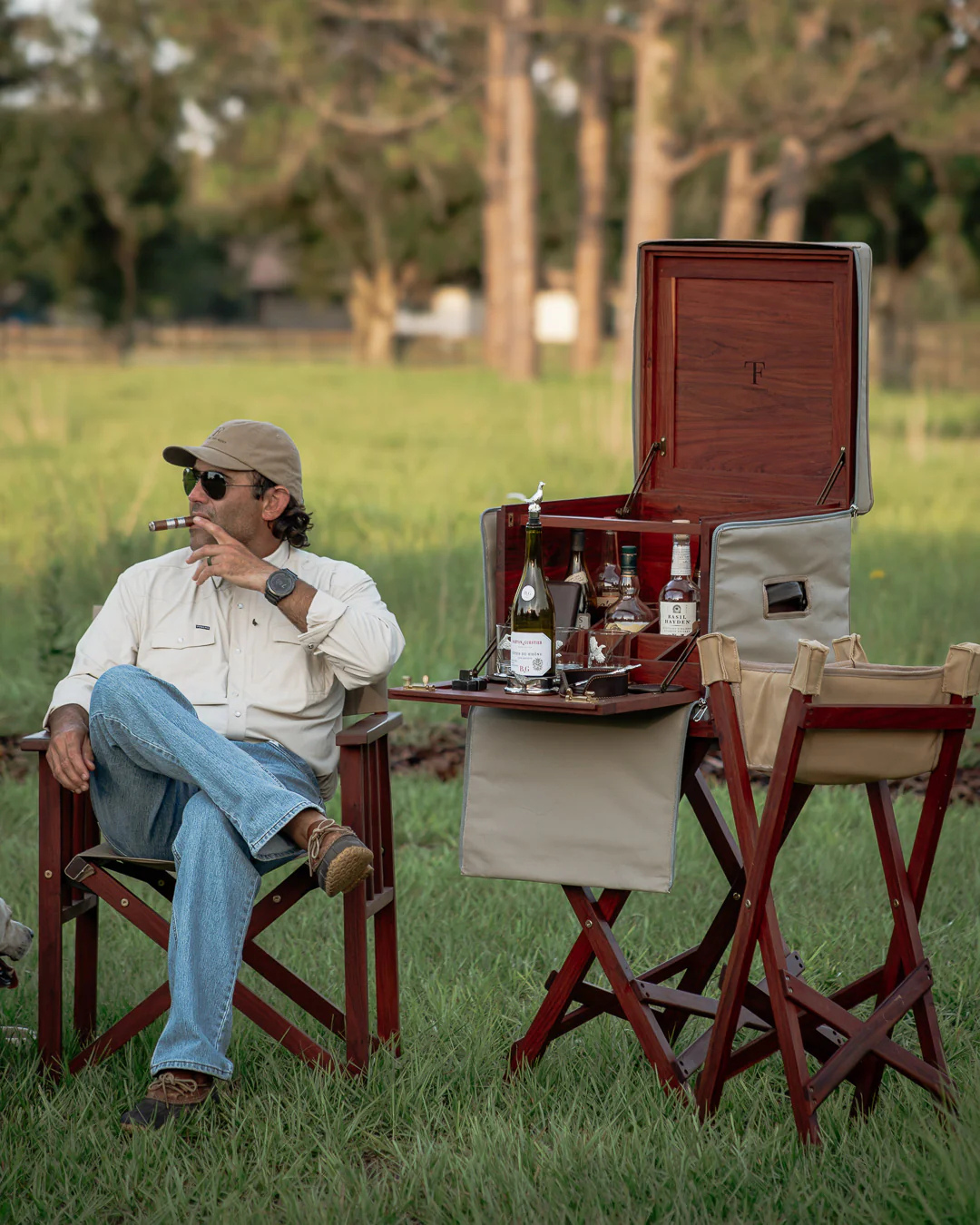
Three things: frame material, joinery, and how the seat is attached. A true safari chair uses a hardwood frame (teak, beech, or African hardwood), mortise-and-tenon or bolted joints rather than stapled brackets, and a seat that's either stretched canvas or fitted leather rather than nylon mesh. The result is a chair that gets better with weathering instead of degrading.
Material comparison: teak, canvas, leather, and beech
Teak is the standard for a reason: it's naturally weather-resistant, doesn't need annual sealing, and silvers gracefully rather than rotting. Beech is lighter and takes stain well, common on smaller stools and tripod seats. Canvas seats (often ripstop or waxed cotton) are breathable and pack down small; leather seats and straps cost more but develop a patina and outlast canvas by years with basic conditioning. If you're buying for regular field use rather than occasional garden sitting, prioritize the frame material first, seat material second.
Sizing and portability: what to check before buying
Folded dimensions matter more than most buyers think. A chair that folds flat to 4 inches fits behind a truck seat; one that folds to a bulky 10-inch bundle doesn't. Weight capacity, seat height, and whether the chair includes a backrest (some tripod stools don't) are the three specs worth confirming before checkout, not after.
Care: keeping a safari chair through multiple seasons
Wipe hardwood frames down after wet use and let them air dry before folding and storing; avoid stacking anything heavy on top of a folded chair for long stretches, since that's where canvas seats sag first. Leather straps and seats benefit from a conditioning pass once or twice a year. For a fuller walkthrough of cleaning, sealing, and seasonal storage that applies to teak and other outdoor woods alike, This Old House's guide to caring for wood patio furniture is a good outside reference. None of this is complicated. It's the difference between a chair that lasts one season and one that lasts fifteen.

The Field Traditions lineup
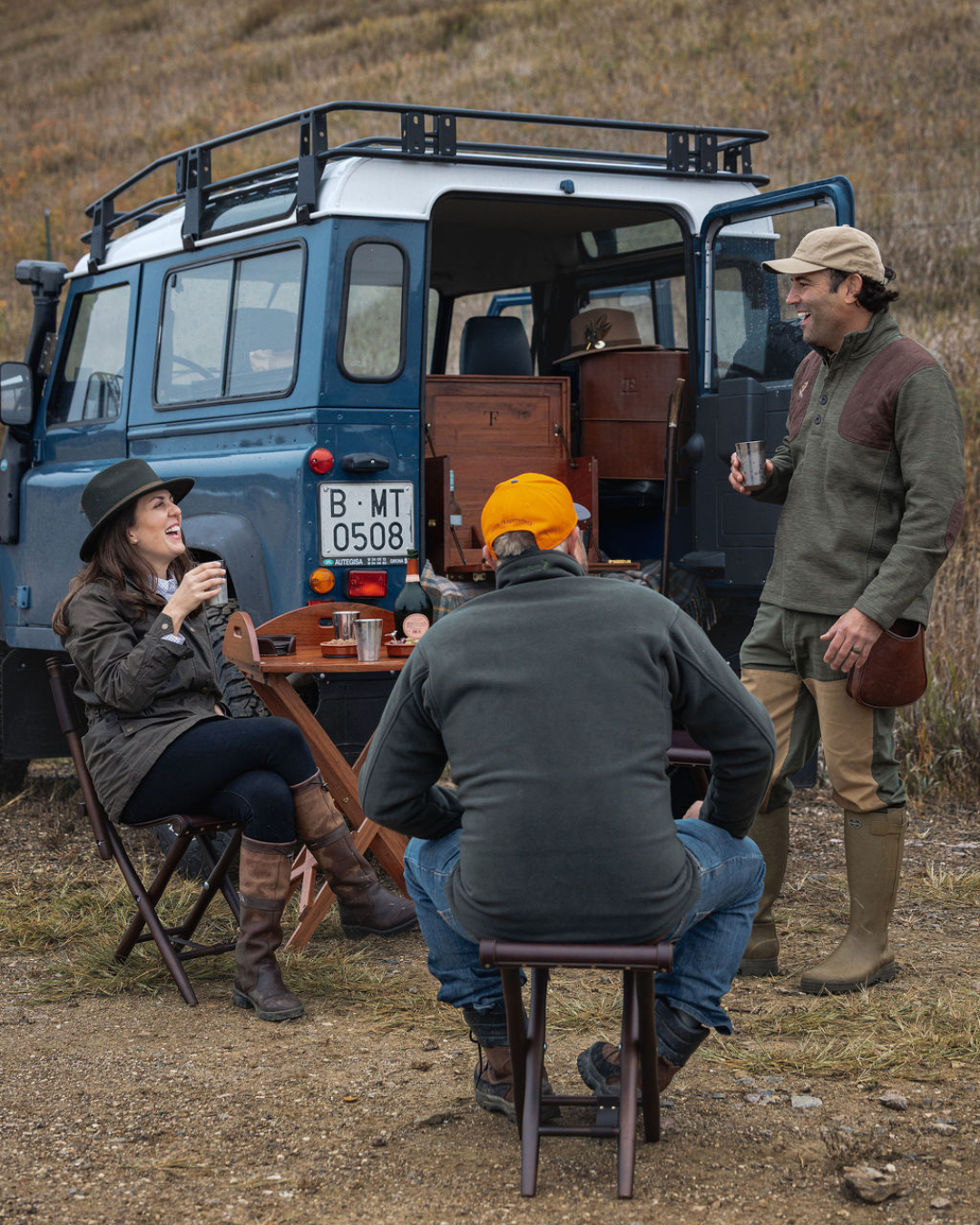
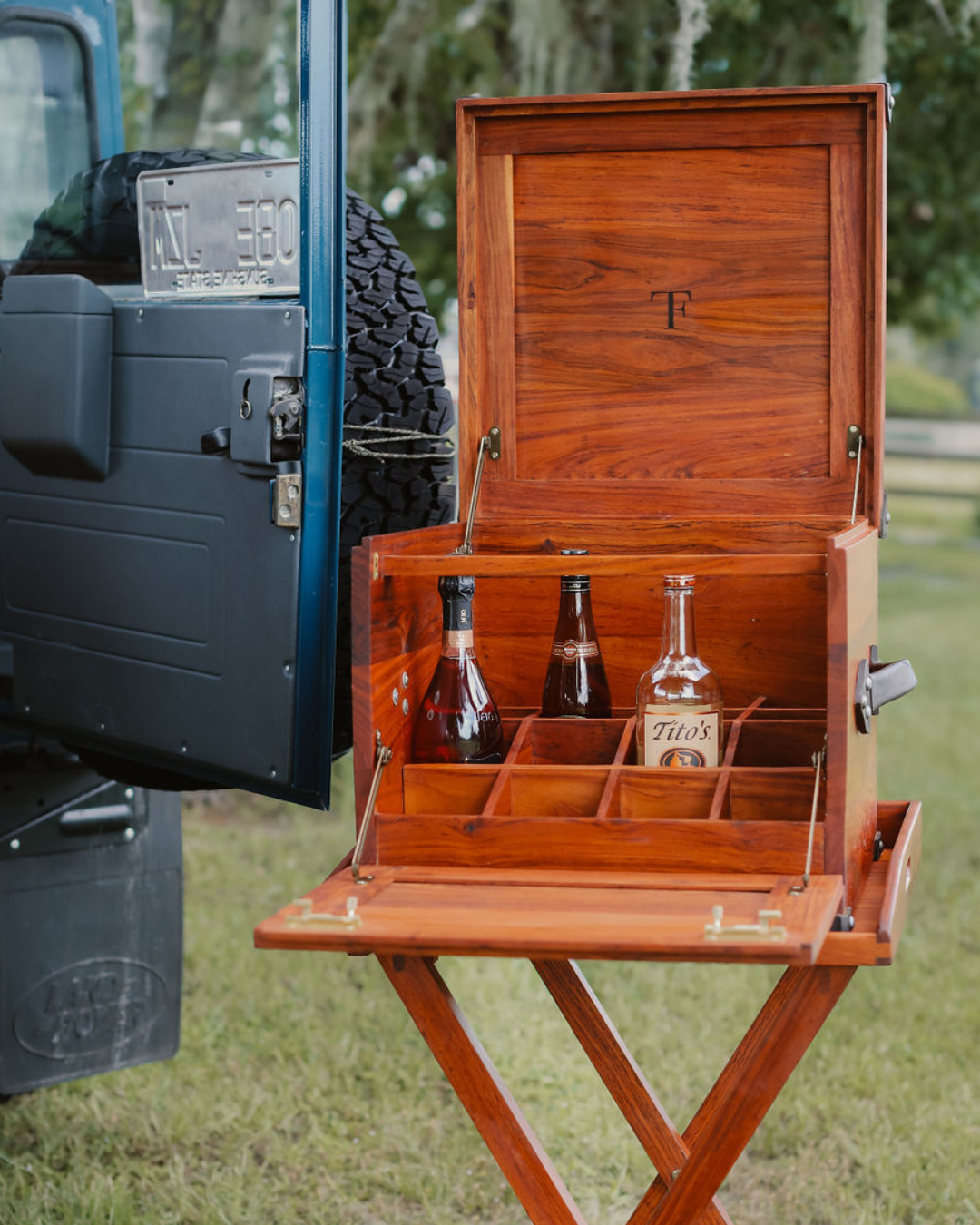
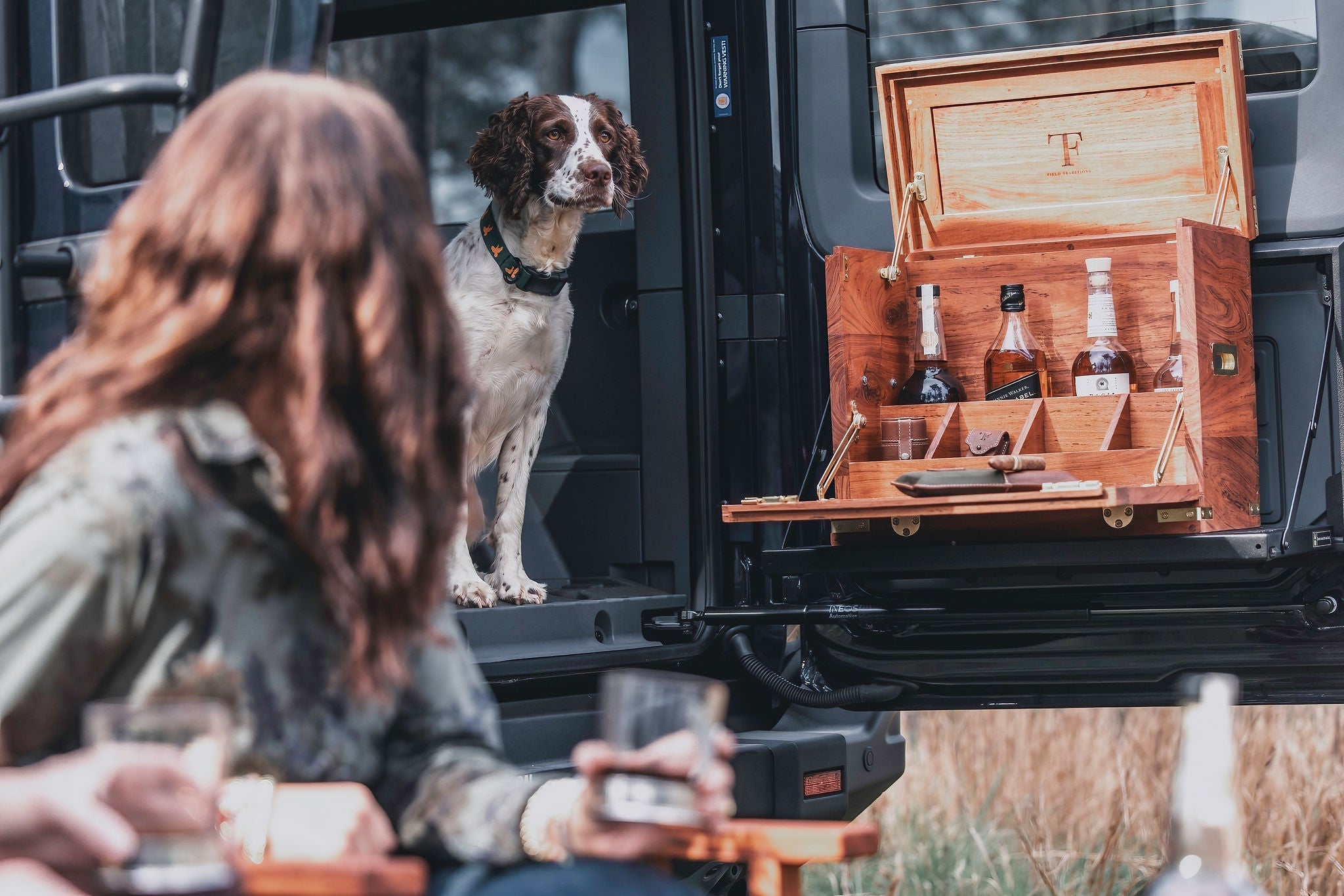
Our safari chairs and seating collection spans the range covered above: the Savannah Safari Field Chair, the Alcon leather tripod field stool in beech, the Cotswolds canvas and leather tripod stool, and the Safari Folding Teak Director's Chair, among others. Every piece is built from the materials described in this guide, not a lighter-weight version of them. If you're setting up a full field kit rather than a single chair, our safari field bars are built to the same standard and are worth pairing.
For the fuller story on why teak, brass, and canvas are the materials that hold up across a generation, and the history behind the safari chair itself, our guide to what makes good field furniture covers it in depth. This post is written to sit alongside that piece as the shorter, buying-focused companion, not to repeat it, so keep the two linked to each other both ways.
FAQ
What is a safari chair?
A folding field chair built from hardwood (typically teak or beech) with a canvas or leather seat, designed for outdoor use and easy transport.
Is teak or canvas better for a safari chair?
Teak is the stronger long-term choice for the frame; canvas versus leather for the seat comes down to budget and how often the chair travels.
How much should a good safari chair cost?
Well-made safari chairs typically range from roughly $100 for a compact tripod stool to $600+ for a full director's chair with backrest, depending on materials and hardware.

Leave a comment
This site is protected by hCaptcha and the hCaptcha Privacy Policy and Terms of Service apply.