A boil is not a meal. It is a reason to stay out after the light goes.
If you have ever sat at a long table with the paper rolled out, a steaming pot lifted into the middle, and the shells starting to pile up between your hands, you will know what we mean. The crawfish boil is one of those rare American rituals that does not ask you to dress up, sit down properly, or know what you are doing. It asks you to show up, work with your hands, and stay until the conversation finds its second wind.
The boil started on the Gulf Coast. Louisiana grew it, Mississippi adopted it, and Texas turned it into a Hill Country ritual that runs from March through to early June. By the time the days are long enough to do it right, the water is warm, the crawfish are running, and the people who care about gathering properly are already planning the next one.
This is the recipe we use ourselves. Bold, rustic, and made to share. Packed with flavor and field-to-table charm. The kind of centerpiece that turns a Saturday afternoon into a Sunday morning.
The Ingredients
Bold, rustic, and made to share. This is the recipe at full Saturday-afternoon scale, designed to feed a long table. Halve or double freely.
Serving size note:
This recipe is designed for a long-table gathering of 20 to 25. Halve the quantities for a smaller crowd.
You Will Need
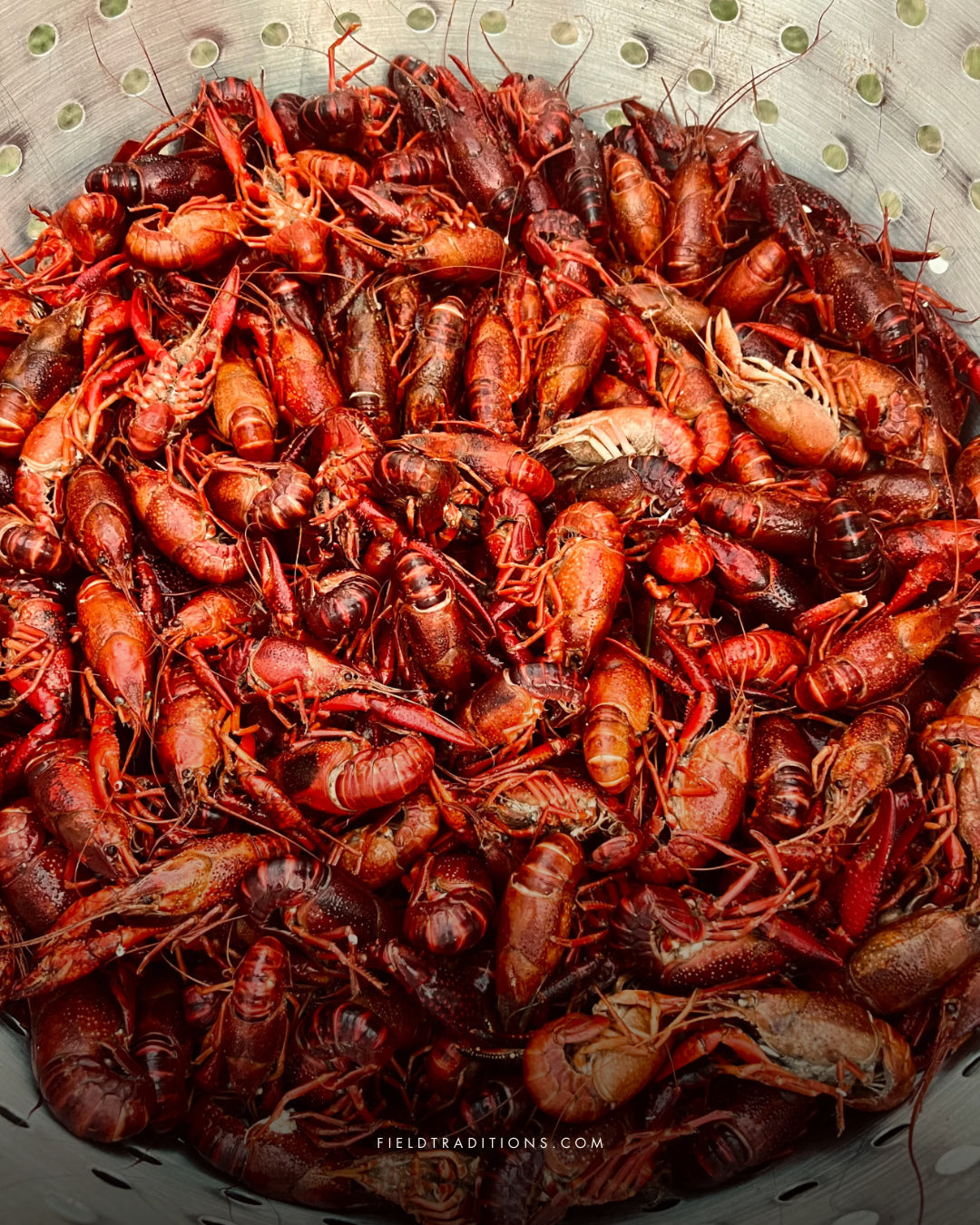
60 lbs of crawfish
6 to 8 lbs of crawfish boil powder, or similar
5 oz Louisiana liquid crab boil
6 oz Crystal hot sauce
13 oz granulated garlic
13 oz granulated onion
1 bag of onions
6 large heads of garlic
8 lemons, cut in half
4 oranges, cut in half
2 bunches of celery
6 artichokes
2 lbs smoked sausage
4 lbs Andouille sausage
8 lbs small red potatoes
20 ears of corn, cut into thirds
And the Kit
A 60-quart boiling pot with strainer basket
A propane burner (the boil pot will not fit on a domestic stove)
A long table, ideally outdoors
Newspaper or butcher’s paper to cover the table
Plenty of cold beer
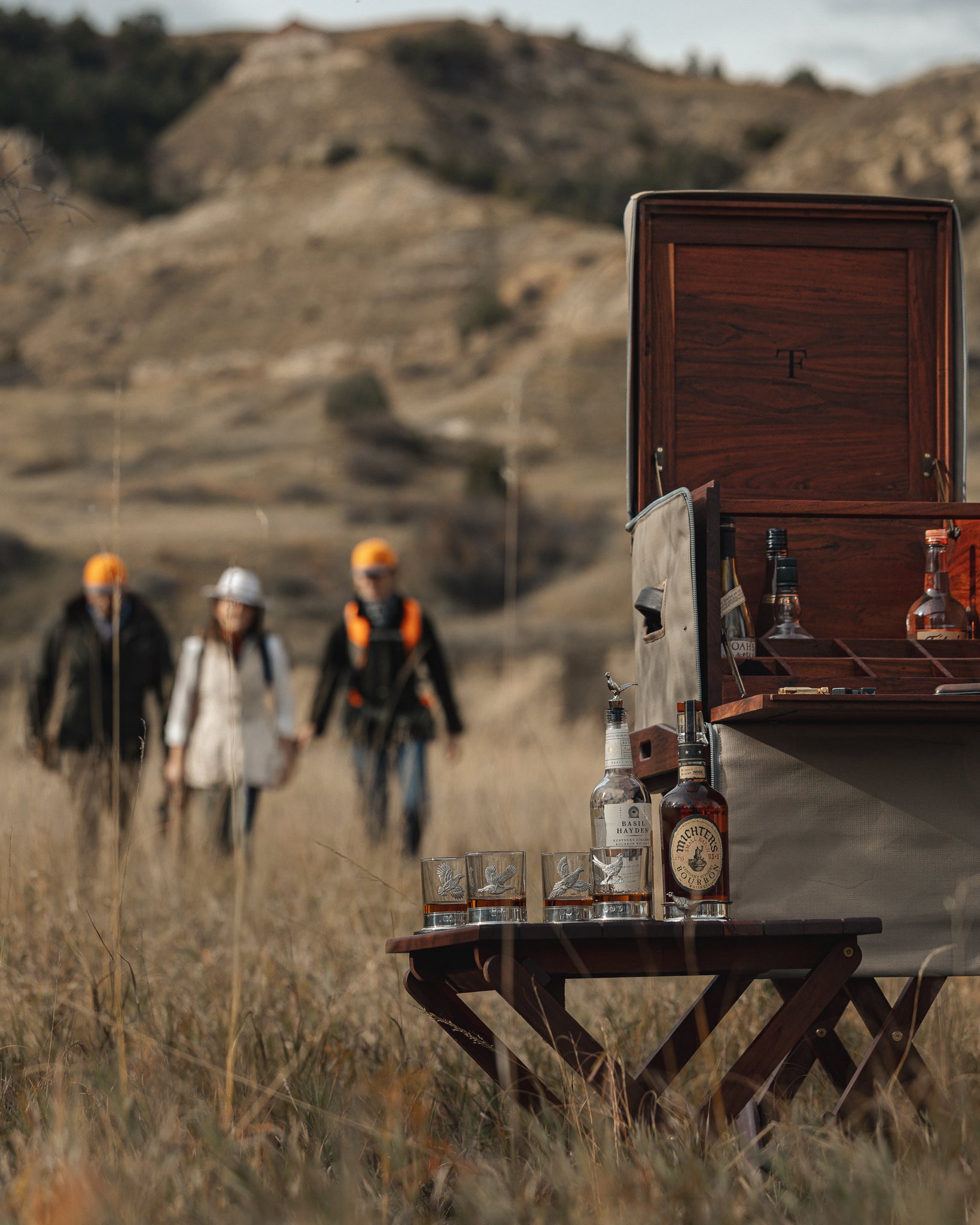
Whiskey for the second half of the evening
The Method
Step 1: Prep
Place your live crawfish in a large container and rinse thoroughly with cool, clean water. Discard any dead crawfish, excess grass, or leftover bait. Repeat this process three to four times, refreshing the water each time, until the water runs mostly clear. If your crawfish were pre-cleaned at purchase, this step will be quicker, but still worth doing to ensure the best flavor.
Step 2: Settle
After the final rinse, allow the crawfish to sit in a fresh batch of clean water for at least one hour. This resting period helps loosen any remaining sediment, which will settle to the bottom, leaving your crawfish cleaner and ready for the boil.
Step 3: Cut
Cut the onions in half and slice the garlic bulbs crosswise near the base, keeping each half intact. Roll your citrus fruits on the counter to release their juices, then halve them. Finally, chop the celery stalks into large sections.
Step 4: Build the Base
Fill your pot with just enough water to cover the crawfish once added. Add all your dry and liquid seasonings to the pot, followed by the halved onions, garlic, celery, and juiced citrus. Bring everything to a rolling boil. This seasoned base will lay the foundation for bold, Southern-style flavor.
Step 5: Potatoes
Once the seasoned water is boiling, carefully add the potatoes. Let them cook until they are just shy of fork tender. This ensures they finish cooking perfectly once the crawfish are added later.
Step 6: The Crawfish
Drain your cleaned crawfish and carefully add them to the pot once it reaches a rolling boil. Turn the heat up to high and cover with a lid. Once the boil resumes, cook for about two and a half minutes. Adjust the time slightly based on the size of your crawfish. Larger ones may need a little longer to cook through.
Step 7: The Soak
Once the heat is turned off, add any remaining ingredients you would like to soak in the seasoned liquid, such as corn, sausage, or mushrooms. Let the crawfish rest in the pot to absorb flavor. Around the fifteen-minute mark, begin taste-testing and check how easily they peel. Soaking times may vary, but once the crawfish begin to sink, it is a good sign they have absorbed maximum flavor and are ready to serve.
Step 8: Serve
Once your crawfish are perfectly soaked and seasoned, it is time to serve. From here, it is all about tradition. Lift the strainer, drain, and tip everything onto the paper-covered table in the middle. Crawfish in a heap. Potatoes, corn, sausage, and artichokes scattered around. Bowls on each end of the table for shells. A pile of paper towels. A jug of cold beer.
Suck the heads, pinch the tails, and savor every bite.
How to Eat a Crawfish
If you have never, here is the form. Hold the crawfish in one hand. Twist the tail off the body. Pinch the shell at the bottom of the tail, push the meat up and out, eat. If you are brave, suck the head. That is where the seasoning lives. Don’t be the person who eats with a fork. The whole point is the hands.
The Tools That Earn Their Place
A boil does not need much, but the few pieces that make it work make a real difference.
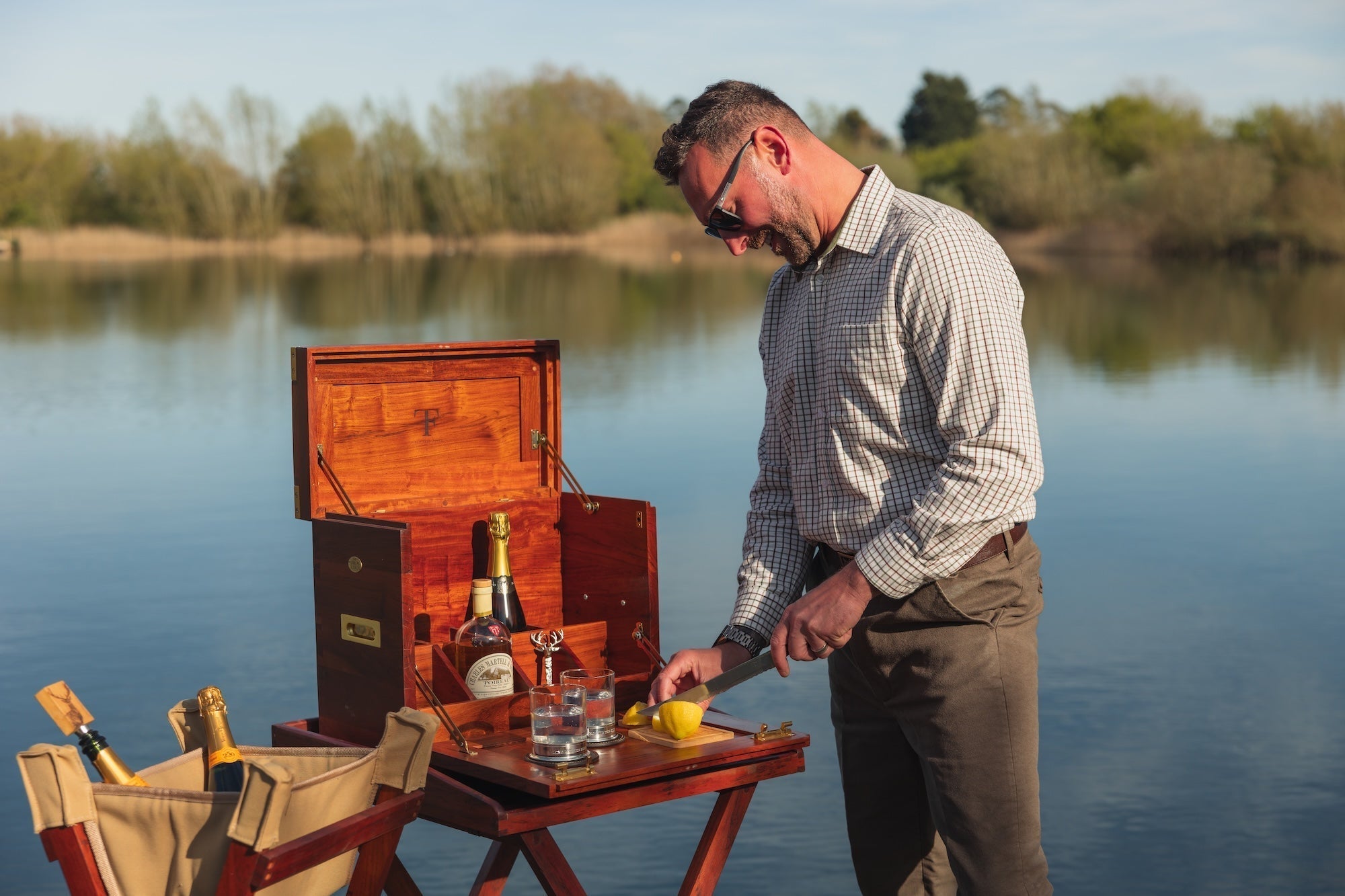
A sharp knife. For the lemons, the garlic, the sausage, and the corn. The Opinel No. 8 Animalia Knife is the one we keep coming back to. It folds, fits in a pocket, and the blade is sharp enough to make camp prep effortless.
Solid bowls. Plastic feels wrong with a meal this old. Our Pheasant Enamelware Bowls , alongside the new Pheasant Field Bird Plates , hold up to the heat and the seasoning. Chip-resistant, hand-finished with the FT pheasant emblem, and the kind of piece that gets passed down rather than thrown out.
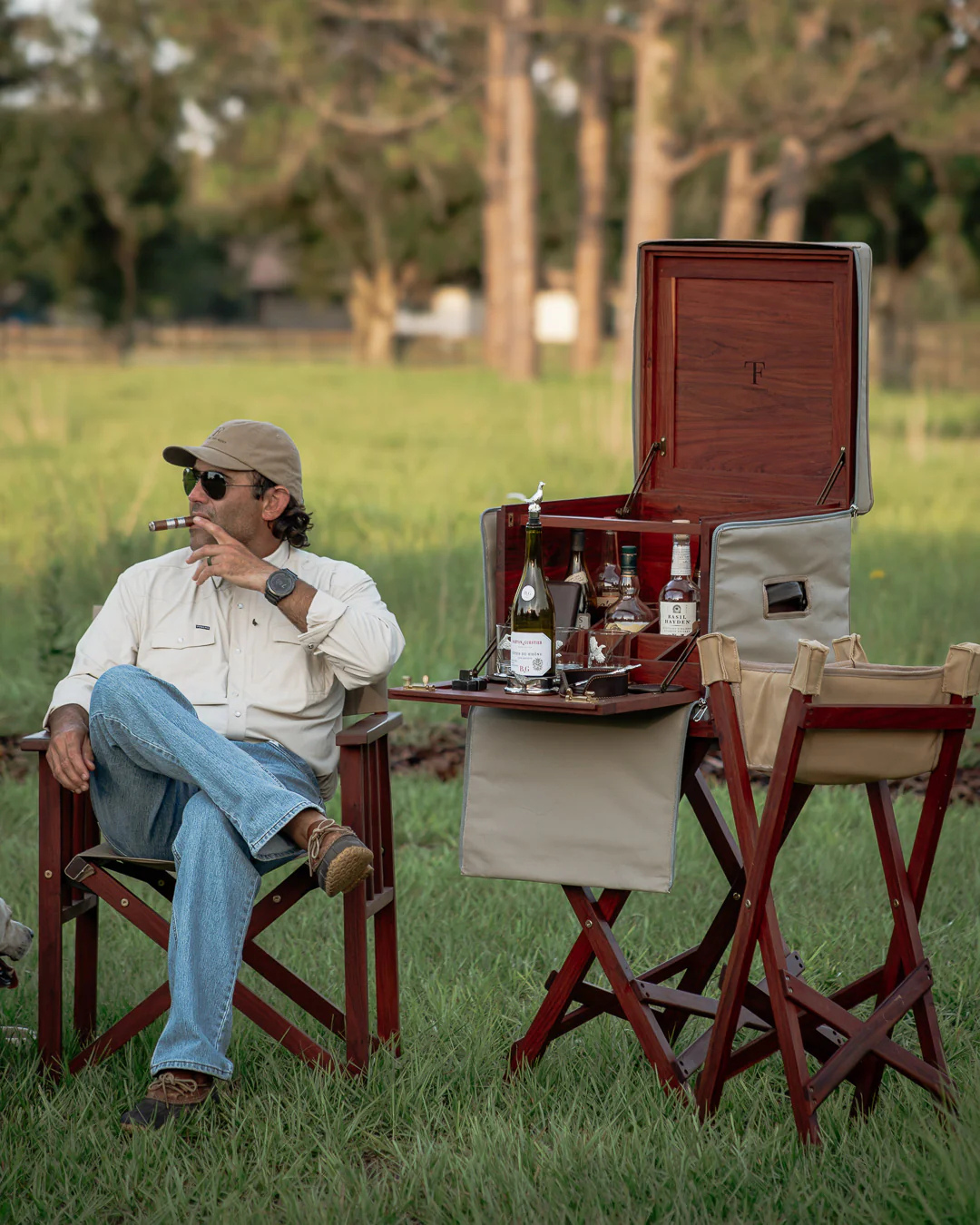
Glasses worth the second drink. When the food clears and the whiskey comes out, the glass matters. Our Pewter Whiskey Glasses are heavy in the hand, hand-finished, and the kind of glass that finds its way to the same person every time. The Flying Pheasant, the Turkey, the Bobwhite Quail, and the just-launched Ruffed Grouse are the ones we pour into ourselves.
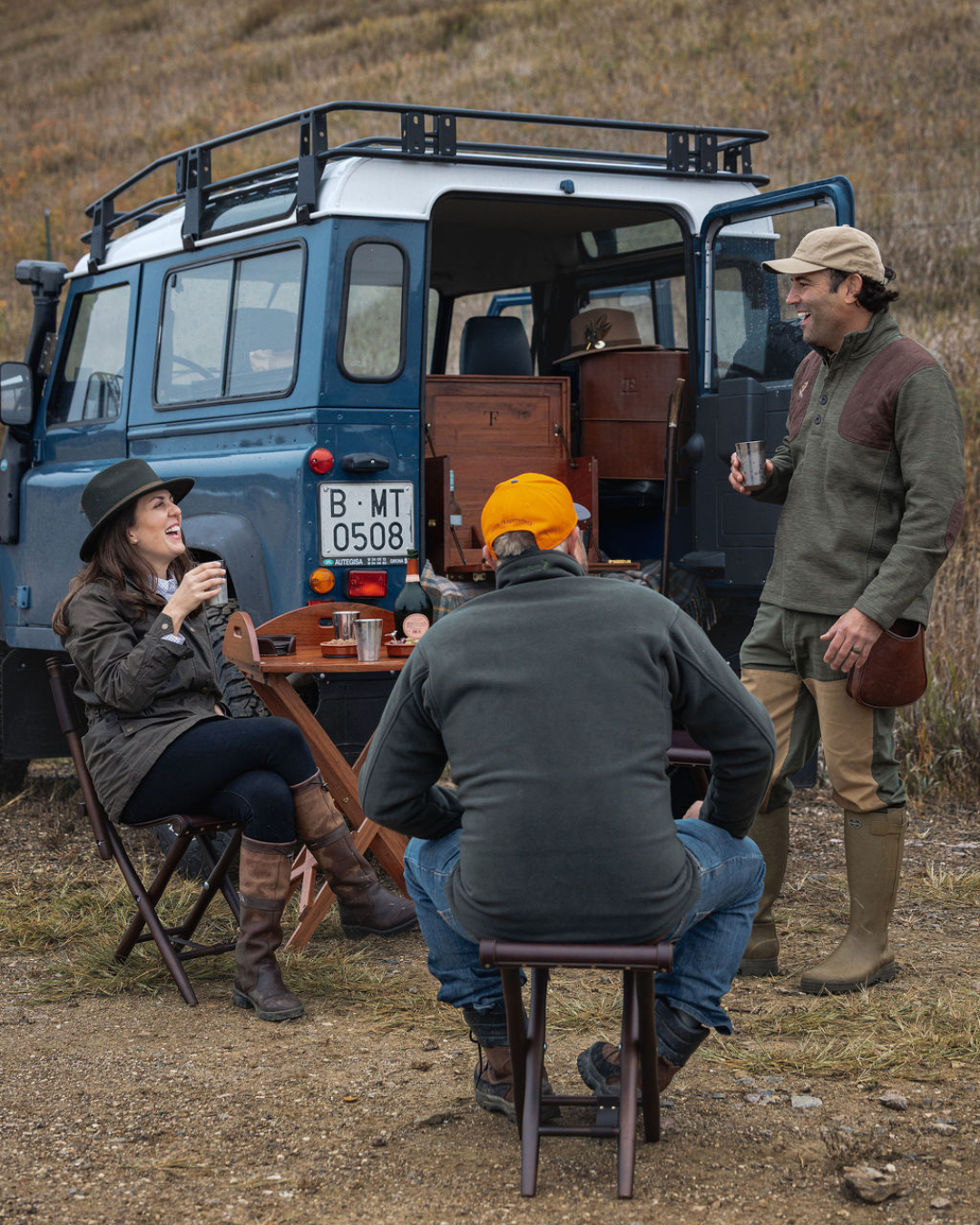
A long table. The most important piece of the lot. If you do not have one, two trestle tables butted together work. Cover with paper and do not think about it again.
A Texas Note
If you are hosting a boil in Texas this year, two things to know.
The Hill Country season runs March to June. Late May and early June are the sweet spot. The crawfish are at their best size, the days are long enough to start at five and finish at ten, and the heat has not yet turned punishing.
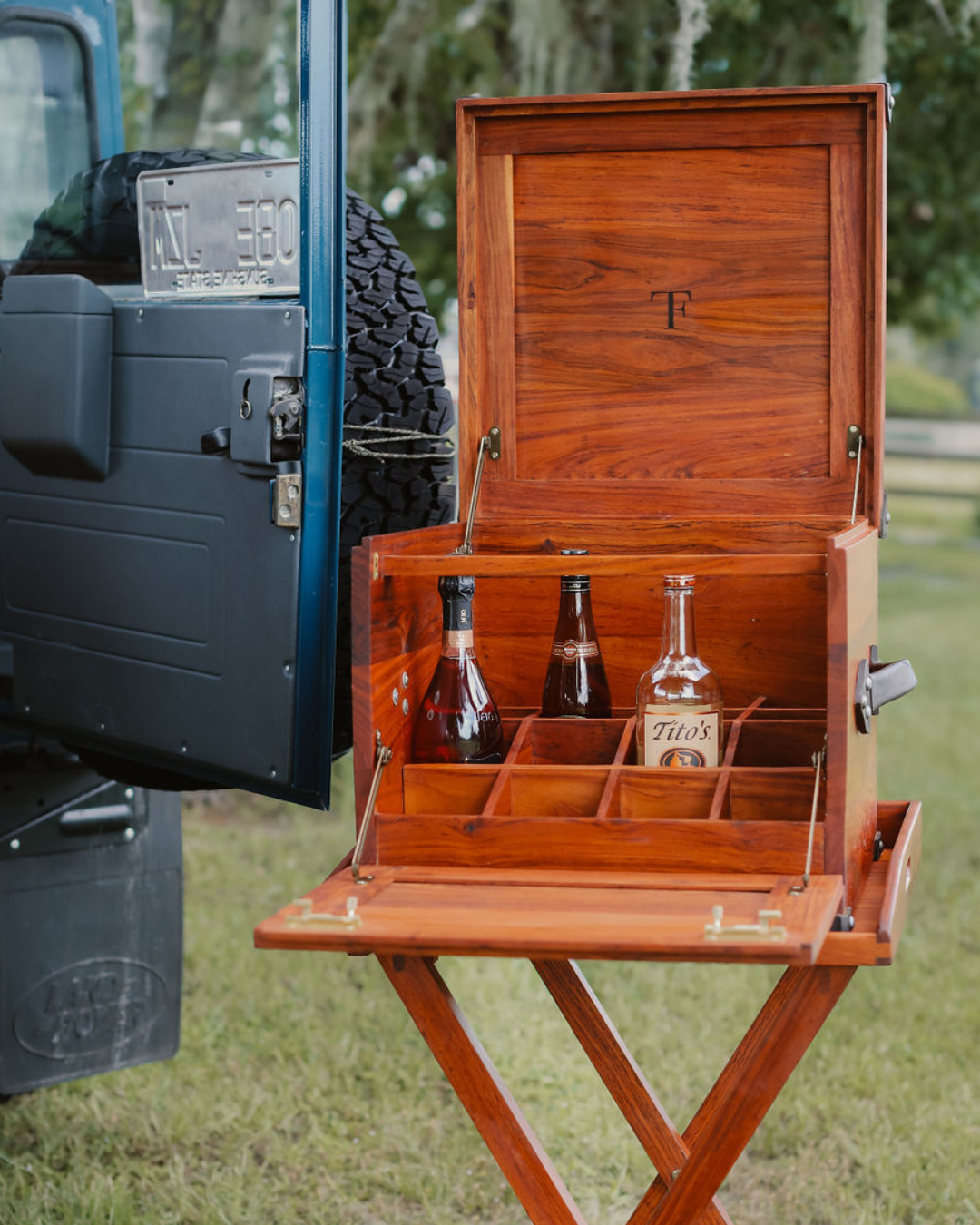
Joshua Creek Ranch is exactly the kind of place this meal belongs. If you are in Texas June 12 to 13, come find us at the Texas Game Fair . We will have a stand at Joshua Creek Ranch with the field bars, the chairs, the glasses, and a few pieces that have not been seen yet. Boil notwithstanding, it is our favorite place to spend a long weekend.
What Comes After
The best boils do not end when the table clears.
A whiskey poured. The glasses move from beer to pewter. The conversation finds its second wind. Someone lights a cigar. The fire goes on. Three generations stay at the table because nobody wants to be the first to leave.
This is what we mean when we say Field Traditions. The pieces are the excuse. The gathering is the point.
Long live the hunt.



Leave a comment
This site is protected by hCaptcha and the hCaptcha Privacy Policy and Terms of Service apply.